
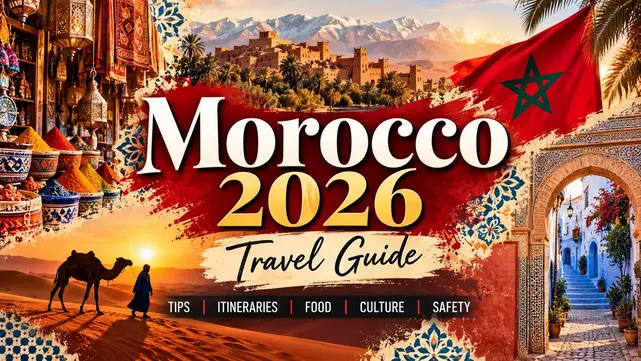
Morocco stands at the crossroads of Africa, Europe, and the Arab world a kingdom where geography, culture, and history weave together in extraordinary harmony. Located at the northwestern tip of Africa, just 14 kilometers from Spain across the Strait of Gibraltar, the country serves as a natural bridge between continents. More than 37 million people call Morocco home, creating a vibrant tapestry of Arab, Amazigh (Berber), Saharan, Andalusian, Jewish, and African influences that shape everything from language to cuisine to daily life. This Morocco Travel Guide 2026 is designed to help travelers explore the country’s diverse regions, uncover its cultural treasures, and plan an unforgettable journey from bustling medinas to the serene Sahara Desert.
The kingdom is divided into 12 administrative regions, each with its own identity, landscapes, and traditions from the buzzing urban centers of Casablanca and Marrakech, to the snow-dusted peaks of the High Atlas, to the wind-battered coasts of the Atlantic, and the golden silence of the Sahara stretching through the southern provinces. Morocco’s local currency is the Moroccan Dirham (MAD), a stable and widely accessible currency used throughout the country. With modern transport networks, diverse climates, and year-round travel opportunities, the kingdom welcomes millions of visitors who seek both adventure and cultural immersion.
This complete guide brings clarity to the journey. Below is the outline you’ll explore a structured roadmap designed to help you understand Morocco deeply and travel with confidence:
I.Understanding Morocco: Key Facts Every Traveler Should Know
II. Best Time to Visit Morocco
III. Entry Requirements, Visas & Travel Documents
IV. Money, Budgeting & Morocco Trip Cost
V. Safety, Etiquette & Cultural Insights
VI. Transportation & Getting Around the Country
VII. Crafting Your Morocco Itinerary
VIII. Top Destinations Across the 12 Regions
IX. Food, Drinks & Moroccan Culinary Experiences
X. Packing Lists & What to Wear in Every Season
XI. Accommodation Guide: Riads, Hotels & Desert Camps
XII. Internet, SIM Cards & Connectivity
XIII. Health, Insurance & Emergency Tips
XIV. Essential Apps & Travel Tools
XV. Sustainable & Responsible Travel Practices
XVI. Photography Tips for Capturing Morocco
XVII. Digital Nomad Essentials
XVIII. Shopping, Souks & Local Products
XIX. Scams to Avoid & Practical Street Smarts
XX. Final Travel Checklist Before Departure
XXI. Adventure and sports
The journey begins with understanding Morocco — and this guide ensures you explore it with clarity, confidence, and excitement.
I. Understanding Morocco: Key Facts Every Traveler Should Know
Morocco sits at a cultural crossroads where Africa meets Europe and the Arab world converges with Amazigh heritage. A constitutional monarchy, the country is governed by King Mohammed VI and anchored by centuries of dynastic continuity. Arabic and Amazigh are official languages, while French permeates commerce and administration. Islam shapes daily rhythms, yet Morocco’s pluralistic past reveals itself in synagogues, churches, and Roman ruins. The dirham is the national currency, and hospitality is not merely customary—it is axiomatic.
II. Best Time to Visit Morocco
Morocco is a country of climatic contrasts, where the timing of a journey can profoundly shape the experience. From snow-dusted mountain passes to sun-baked desert plains and wind-cooled Atlantic shores, seasonal nuance matters. This Morocco Travel Guide 2026 provides essential tips on the best times to visit, helping travelers align their itinerary with the country’s diverse weather and landscapes.
Spring (March to May) is widely considered the most harmonious period to visit. Temperatures are mild, landscapes are verdant, and cities feel animated rather than oppressive. Wildflowers bloom across the Middle Atlas, hiking conditions are near perfect, and cultural festivals bring an added cadence to urban life. Days are warm without excess, evenings pleasantly cool.
Autumn (September to November) rivals spring in appeal. The summer heat recedes, restoring balance to Marrakech, Fez, and inland regions. The Sahara becomes accessible again, with tolerable daytime temperatures and crisp, star-filled nights. Harvest season adds subtle vibrancy to rural areas, while coastal towns remain breezy and inviting.
Summer (June to August) is best approached selectively. Interior cities and desert regions can experience extreme heat, often exceeding 40°C (104°F). However, this season favors the Atlantic coast—Essaouira, Asilah, and Taghazout—where ocean winds temper the climate. High-altitude destinations in the Atlas Mountains also provide respite and striking alpine scenery.
Winter (December to February) introduces another dimension. While coastal and southern regions remain mild, the Atlas Mountains receive snowfall, transforming Morocco into an unexpected winter sports destination. Skiing near Oukaïmeden becomes possible, while desert nights grow sharply cold. Urban sightseeing remains comfortable, though evenings demand warm layers.
Religious observances also influence travel rhythms. Ramadan, which shifts annually according to the lunar calendar, alters daily schedules. Many businesses close during daylight hours, yet evenings become richly atmospheric, filled with communal meals and nocturnal energy.
Ultimately, the best time to visit Morocco depends on intent. Cultural immersion, outdoor exploration, desert excursions, or coastal leisure each find their ideal moment within the country’s diverse seasonal tapestry. Choosing wisely elevates the journey from memorable to extraordinary.
III. Entry Requirements, Visas & Travel Documents
For a seamless arrival in Morocco, preparation is paramount. Entry formalities are generally straightforward, yet Moroccan border authorities enforce documentation rules with notable rigor. A valid passport is non-negotiable, and while many travelers benefit from visa exemptions, attention to detail prevents unnecessary disruption.
you can compare your passport in these websites: passportindex.org or henleyglobal
Passport & Visa Essentials
Passport Validity
Passports must remain valid for at least three to six months beyond the intended date of entry or the full duration of stay, depending on nationality. Requirements are not universally standardized, making verification through official government sources essential. Moroccan authorities have been known to deny entry for passports that are damaged, heavily worn, or nearing expiration—even when technically valid.
Visa Exemption
Citizens of more than 70 countries enjoy visa-free entry for tourism stays of up to 90 days. This includes travelers from the United States, the United Kingdom, all European Union member states, Canada, Australia, and Japan. The 90-day period is strictly enforced and begins on the date of entry, not arrival clearance.
Visas for Other Nationalities
Travelers whose nationalities require a visa must secure approval before departure. Applications can be made through a Moroccan embassy or consulate, or where eligible via the official Morocco eVisa platform. Processing times vary, and last-minute applications are ill-advised.
Entry Stamp Requirement
Upon arrival, ensure that your passport is stamped by the immigration officer. This entry stamp is essential. Travelers lacking an entry stamp have encountered serious difficulties when attempting to exit the country, including delays and administrative investigations.
Additional Documents You May Be Asked to Present
While not always requested, Moroccan border officials retain the right to ask for supplementary documentation. Having these readily accessible reduces friction at immigration checkpoints. This Morocco Travel Guide 2026 outlines all essential entry requirements, visas, and recommended documents to ensure a smooth arrival and
hassle-free start to your journey.
- Proof of Onward or Return Travel
A confirmed exit ticket demonstrating intent to leave Morocco within the authorized timeframe.
- Proof of Sufficient Funds
Evidence of financial means to support your stay, such as cash, bank statements, or credit card access.
- Accommodation Confirmation
Hotel reservations, rental confirmations, or an invitation letter from a host residing in Morocco. - Travel Insurance Documentation
Although not universally mandatory, carrying a printed insurance policy—particularly one covering medical treatment and emergency evacuation—is strongly advisable.
Traveling with Minors
Children must carry their own passports. If a minor is traveling with only one parent or with a non-parental guardian, it is recommended to have a notarized consent letter from the absent parent(s). The document should ideally be written in French and clearly authorize the child’s travel to and within Morocco.
Length of Stay & Extensions
Travelers intending to remain beyond the visa-free 90-day period or the duration of an issued eVisa must apply for a stay extension before the permitted period expires. Extensions are handled at local police stations and are subject to approval. Overstaying without authorization can lead to fines, legal proceedings, or complications with future travel to Morocco.
Careful attention to entry requirements ensures that the journey begins smoothly—allowing focus to remain where it belongs: on the richness, rhythm, and revelations that Morocco offers.
- Money, Budgeting & Morocco Trip Cost
IV. Money, Budgeting & Morocco Trip Cost
Morocco rewards both measured spending and unrestrained indulgence. The country’s cost structure is refreshingly elastic, accommodating backpackers, mid-range travelers, and luxury seekers with equal grace. Understanding how money functions on the ground—practically and culturally—allows for smarter decisions and fewer financial frictions.
Currency & Payment Basics
The official currency is the Moroccan Dirham (MAD), a closed currency that cannot be legally imported or exported in large quantities. Exchange should be done upon arrival or within the country. Major cities and airports host reputable exchange counters, while banks offer competitive rates during business hours. (Transfer exchange rate)
Cash remains dominant, especially in medinas, souks, rural towns, and small eateries. Credit and debit cards are widely accepted in hotels, upscale restaurants, and larger retailers, though reliance on plastic alone is unwise. ATMs are plentiful in urban areas and generally reliable, yet withdrawals often carry foreign transaction fees.
Daily Budget Expectations
Travel costs vary substantially by destination, season, and personal travel style. As a broad guideline:
- Budget travelers can expect to spend modestly by staying in hostels or simple guesthouses, eating local street food, and using public transportation. Daily costs remain surprisingly low without sacrificing experience.
- Mid-range travelers enjoy comfortable riads, private transportation for select routes, guided excursions, and restaurant dining with moderate frequency.
- Luxury travelers encounter exceptional value compared to Europe or North America, with opulent riads, private drivers, desert camps, and fine dining available at comparatively restrained prices.
Major cities such as Marrakech and Casablanca command higher prices, while smaller towns and rural regions offer excellent value.
Tipping Culture
Tipping in Morocco is customary but informal. It functions as a gesture of appreciation rather than obligation. Small amounts are customary for porters, guides, drivers, and restaurant staff. Rounding up bills or leaving modest gratuities is well received. Carrying small denominations simplifies these exchanges.
Bargaining & Pricing Etiquette
Haggling is an integral component of Moroccan commerce, particularly in souks and informal markets. Prices are rarely fixed, and negotiation is expected. The process is social, even performative. Politeness, humor, and patience yield better outcomes than aggression. That said, bargaining is inappropriate in supermarkets, pharmacies, or establishments with clearly posted prices.
Transportation & Activity Costs
Public transportation remains economical, while private drivers and organized tours increase costs but add efficiency and comfort. Entrance fees to historical sites are generally low. Guided experiences, cooking classes, and desert excursions represent the most significant discretionary expenses and should be factored into advance budgeting.
Managing Money Safely
Split cash between locations. Avoid displaying large sums in public. Use hotel safes where available. When withdrawing money, choose well-lit ATMs attached to banks. Receipts are advisable when exchanging currency.
Overall Value
Morocco offers exceptional value for the breadth of experiences available. From ornate architecture and ancient cities to vast deserts and mountain villages, the return on investment—cultural, sensory, and experiential—is remarkably high. With thoughtful budgeting and an understanding of local financial customs, travelers can navigate Morocco with both confidence and comfort.
- Safety, Etiquette & Cultural Insights
Morocco is widely regarded as a safe, hospitable, and deeply engaging destination. Its social fabric is woven with courtesy, ritual, and an acute sense of dignity. A rewarding journey depends not only on situational awareness, but on cultural fluency—the ability to move through daily life with respect and discernment.
Safety & Security
Violent crime against visitors is rare, and Morocco’s tourism infrastructure is well established. That said, attentiveness remains essential, particularly in densely populated areas.
Petty Crime
Pickpocketing and opportunistic theft occur most often in crowded medinas, bustling souks, public transportation, and popular squares. Valuables should be secured in zipped bags or money belts and kept out of sight. Minimalism in public spaces is a wise strategy.
Scams & Tourist Traps
Unsolicited “guides” offering assistance or claiming an attraction is closed are a common ruse, often designed to redirect visitors to commission-based shops. Politely decline and rely on licensed guides or hotel-arranged services. When using taxis, agree on a fare in advance or ensure the meter is activated before departure. (voiding Tourist Traps)
Solo Female Travelers
Women traveling alone may encounter persistent attention or catcalling, particularly in urban centers. Modest dress reduces unwanted interactions. Avoid poorly lit or unfamiliar areas after dark. Polite firmness is effective; a calm “la shukran” (no, thank you) typically suffices. Confidence, rather than confrontation, sets boundaries.
Health Considerations
Tap water should be avoided. Bottled or filtered water is recommended to prevent gastrointestinal discomfort. Freshly cooked food is generally safe, but caution with unwashed produce is advised.
Emergency Contacts
In the event of an emergency, dial 19 for police assistance or 15 for medical emergencies. Operators may not always speak English, so clarity and brevity are helpful.
Culture & Etiquette
Morocco is an Islamic nation with strong traditional values, balanced by a long history of cultural openness. Respect for social norms is not merely courteous—it is expected. This Morocco Travel Guide 2026 offers essential insights into local customs, dress codes, greetings, and behavior, helping travelers navigate interactions respectfully and enjoy a more authentic experience.
Dress Code
Modest attire is appreciated throughout the country, particularly in rural areas and religious sites. Clothing should cover shoulders, chests, and knees. Loose silhouettes are preferable in both style and climate. Women may find a lightweight scarf useful for additional coverage when required.
Greetings & Social Conduct
Greetings carry significance. “As-salamu alaykum” (peace be upon you) is customary, with the response “wa alaykum as-salam.” Handshakes are common between members of the same sex. When greeting a woman, a man should wait for her to initiate physical contact.
Public Behavior
Public displays of affection are discouraged and best avoided. Alcohol is available in licensed venues such as hotels, bars, and select restaurants, but consumption in public spaces is illegal and socially unacceptable.
Ramadan Observance
During Ramadan, eating, drinking, or smoking in public during daylight hours is considered disrespectful. Many establishments alter operating hours, while evenings become animated with communal meals and celebrations. (ramadan-information)
Sensitive Topics
Criticism or discussion of the King, the monarchy, or Islam is inappropriate and can carry serious legal consequences. Political discretion is essential.
Dining Etiquette
Meals are often communal, shared from a single dish. Bread is commonly used in place of utensils. The right hand should always be used for eating, passing items, and greetings; the left hand is traditionally considered unclean.
Photography Etiquette
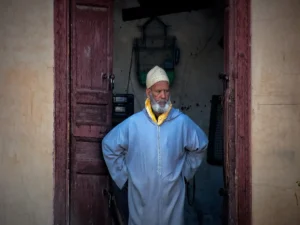
Always ask permission before photographing individuals, particularly women, elders, or street performers. Some may request a small gratuity. Photography of military, police, or government buildings is prohibited.
Haggling Culture
Bargaining is an expected and social practice in souks and traditional markets. Negotiations should remain friendly and unhurried. A smile, patience, and the willingness to walk away are the most effective tools.
Navigated with awareness and respect, Morocco reveals itself as generous, expressive, and profoundly human. Cultural sensitivity transforms encounters from transactional to meaningful—deepening both understanding and enjoyment.
- Transportation & Getting Around the Country
Morocco’s transportation network is a fascinating blend of modern efficiency and traditional charm. Travelers can navigate the country using high-speed trains, intercity buses, taxis, rental cars, and domestic flights. Choosing the right mode of transport depends on your itinerary, budget, and comfort preferences.
Intercity Travel
Trains (ONCF official website)
Morocco’s train network, operated by ONCF, offers a reliable, comfortable, and scenic way to traverse major cities such as Tangier, Casablanca, Rabat, Fes, and Marrakech. The trains are punctual, air-conditioned, and clean, making them ideal for daytime travel.
Al Boraq High-Speed Train
The Al Boraq line revolutionizes travel between Tangier, Kenitra, Rabat, and Casablanca, cutting journey times dramatically. First-class tickets provide assigned, spacious seating and extra amenities, while second class remains economical and comfortable. Booking tickets online via the ONCF website or app is recommended, especially during peak tourist seasons.
Buses (CTM & Supratours)
For destinations not served by rail, reputable bus operators like CTM and Supratours are the most dependable options. Both companies offer air-conditioned coaches with assigned seating. Supratours, affiliated with the national railway, coordinates its schedules with train arrivals and departures, ensuring smoother connections. Routes reach remote towns such as Chefchaouen or desert gateways to the Sahara.
Grand Taxis
Grand taxis are shared, long-distance vehicles—often older Mercedes or Dacia vans—serving fixed routes between cities and surrounding towns. They depart when full, so expect occasional waits. Fares are generally per seat and slightly higher than bus tickets, but travel is often faster due to fewer stops.
Domestic Flights
Royal Air Maroc and a few regional carriers provide limited domestic flights. This is the best option for covering vast distances quickly, such as trips to southern destinations like Dakhla, Ouarzazate, or Agadir. Flights save time but come at a higher cost than land travel.
Rental Cars
Renting a car offers maximum flexibility, particularly for exploring rural regions, the Atlas Mountains, or coastal routes at your own pace. International car rental companies are widely available in airports and major cities. Driving in Moroccan cities can be chaotic, and rural roads may be poorly lit at night night driving is discouraged. An International Driving Permit (IDP), along with your home license, is strongly recommended.
->You can rent a car in Marrakesh with local and international agencies starting around
$9 to $18 per day:
Localrent.com
getrentacar.com
Getting Around Within Cities
Petit Taxis
Intra-city travel primarily relies on petit taxis, small vehicles color-coded by city (e.g., red in Casablanca, blue in Rabat, yellow in Marrakech). Always insist that the driver uses the meter to avoid inflated tourist fares, or negotiate the price before starting your journey.
Ridesharing Apps
Modern ridesharing platforms such as Careem and InDrive are available in major urban centers, providing transparent pricing and convenient app-based booking, reducing the need to haggle.
Trams & City Buses
Rabat/Salé and Casablanca have modern tram systems offering fast, reliable, and affordable urban transit. City buses are inexpensive but may be crowded, challenging to navigate, and often not English-friendly.
By combining trains, buses, taxis, and occasional flights, travelers can craft an efficient, comfortable, and culturally immersive journey across Morocco, moving seamlessly between bustling medinas, remote villages, and desert expanses.
VII. Crafting Your Morocco Itinerary
Designing an itinerary for Morocco is an exercise in balancing rhythm, geography, and curiosity. The country’s diversity—spanning vibrant medinas, rugged mountains, sweeping deserts, and coastal havens—demands both structure and flexibility. This Morocco Travel Guide 2026 helps travelers plan a well-paced route, ensuring they experience the essence of Morocco without feeling rushed.
Consider Travel Pace & Duration
Morocco is deceptively vast. Distances between major cities can appear short on a map but often take longer due to winding roads, mountainous terrain, or slow transport modes. A one-week trip offers a tantalizing glimpse, typically covering one or two imperial cities and a day trip to the desert or mountains. Two weeks or more provides enough time to explore multiple regions, including the Sahara, Atlas Mountains, coastal towns, and less-visited villages.
Allow at least two nights per city in major destinations like Marrakech, Fes, or Essaouira to appreciate the medinas, local cuisine, and cultural rhythm. Overnight stays in desert camps or mountain lodges are highly recommended for immersive experiences.
Layer Experiences
To capture Morocco’s multifaceted charm, structure your itinerary to include a mix of the following:
- Cultural & Historical Exploration: Imperial cities (Marrakech, Fes, Meknes, Rabat) boast centuries-old medinas, palaces, and mosques. Guided tours can uncover hidden riads, artisan workshops, and historical nuances.
- Natural Landscapes: The Atlas Mountains, Todra Gorge, and Sahara Desert provide dramatic scenery, hiking opportunities, and unforgettable sunrise or sunset vistas.
- Coastal Escapes: Towns like Essaouira and Agadir offer ocean breezes, seafood delicacies, and relaxed atmospheres—perfect for recharging between inland excursions.
- Culinary Immersion: Moroccan cuisine is a journey in itself. Dedicate time to street food tastings, riad dinners, and cooking classes to experience the country’s rich gastronomic traditions.
- Local Engagement: Interaction with artisans, Berber communities, and market vendors adds depth beyond sightseeing, enriching understanding of Morocco’s social fabric.
Geographic Sequencing
Efficient routing minimizes backtracking. Many travelers follow one of these logical circuits:
- Northern Loop: Tangier → Chefchaouen → Fes → Meknes → Volubilis. Perfect for a northern cultural and historical focus.
- Central & Desert Circuit: Fes → Midelt → Merzouga (Sahara) → Ouarzazate → Marrakech. Highlights the mountains and desert landscapes.
- Coastal & Southern Route: Casablanca → Rabat → Essaouira → Agadir → Marrakech → Atlas Mountains. Combines urban sophistication, coastal tranquility, and scenic highlands.
Flexibility & Serendipity
Morocco thrives on spontaneity. Leaving buffer days or flexible evenings allows for serendipitous experiences—unexpected festivals, local markets, or desert camel treks. This Morocco Travel Guide 2026 emphasizes the value of unscheduled moments, reminding travelers that wandering without a strict plan often creates the most memorable experiences.
Practical Tips
- Book key accommodations in advance during peak season (spring and autumn).
- Reserve guided tours or desert excursions early, especially overnight Sahara trips.
- Factor in travel time between cities, including traffic, mountain roads, and rest stops.
- Mix public and private transport depending on comfort, budget, and distance.
A carefully crafted itinerary transforms Morocco from a collection of destinations into a cohesive journey. By balancing structured sightseeing with immersive, unplanned encounters, travelers can savor both the grandeur and the subtleties of this endlessly captivating country.
VIII. Top Destinations Across the 12 Regions
Morocco is administratively divided into 12 regions, each boasting distinct landscapes, cultural heritage, and experiences. From Mediterranean beaches and imperial cities to mountain ranges and Saharan expanses, each region invites exploration.
Northern Morocco
Tanger-Tétouan-Al Hoceïma Region – The gateway between Africa and Europe.
- Tangier: A cosmopolitan port city with a storied literary and artistic history, Tangier charms visitors with its Kasbah, lively medina, and the nearby Hercules Caves.
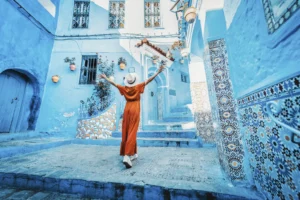
- Chefchaouen: Known as the “Blue Pearl,” this town in the Rif Mountains captivates with its blue-washed streets, tranquil atmosphere, and artisan crafts.

- Asilah: A small, artistic coastal town famous for whitewashed houses and colorful murals that adorn the medina during its annual art festival.
Oriental Region – Bordering Algeria and the Mediterranean.
- Oujda: A historic hub of trade and culture, offering a glimpse into Morocco’s eastern traditions.
- Saïdia: Referred to as the “Blue Pearl” of the Mediterranean, this beach resort features long golden sands, clear waters, and abundant water sports.
Central Morocco (Imperial Cities & Coast)
Fès-Meknès Region – Home to two imperial cities.
- Fes: Morocco’s spiritual and cultural heart, with UNESCO-listed Fes el Bali—the world’s largest car-free urban area—and the centuries-old Chouara Tanneries.
- Meknes: A quieter imperial city, renowned for monumental gates like Bab Mansour and proximity to the Roman ruins of Volubilis.
- Ifrane: Nicknamed “Little Switzerland” for its alpine-style architecture and cedar forests in the Middle Atlas.
Rabat-Salé-Kénitra Region – The political capital region.
- Rabat: Offers a relaxed urban experience with sites like the Kasbah of the Udayas, Hassan Tower, and Mausoleum of Mohammed V.
Casablanca-Settat Region – Morocco’s economic hub.
- Casablanca: The largest city in Morocco, featuring the stunning Hassan II Mosque, one of the few mosques open to non-Muslims.
- El Jadida: A UNESCO World Heritage city with fortified Portuguese architecture, a fascinating cistern, and a blend of Moroccan and European influences.
Marrakech-Safi Region – A major tourist hub combining city, mountain, and coastal experiences.
- Marrakech: The iconic “Red City,” bustling with life at Jemaa el-Fnaa, vibrant souks, Majorelle Garden, and Bahia Palace.
- Essaouira: A wind-swept coastal town with blue-and-white medina walls, art galleries, and water sports like kitesurfing.
- Atlas Mountains: Ideal for trekking to Mount Toubkal, North Africa’s highest peak, and exploring Berber villages such as Imlil.
Béni Mellal-Khénifra Region – Known for natural beauty and agriculture.
- Ouzoud Waterfalls: Spectacular cascading waterfalls surrounded by lush landscapes.
- Azilal/Aït Bouguemez Valley: Rich in greenery, traditional Berber architecture, and hiking trails in the High Atlas.
Southern Morocco (Desert & Coast)
Drâa-Tafilalet Region – The gateway to the Sahara.
- Merzouga: A small desert village near Erg Chebbi’s golden dunes, perfect for camel treks and overnight desert camps.

- Ouarzazate: Nicknamed “Ouallywood” for its film studios, with access to the cinematic UNESCO site of Aït Benhaddou.
- Todra & Dadès Gorges: Dramatic canyons offering breathtaking cliff walls and exceptional hiking opportunities.
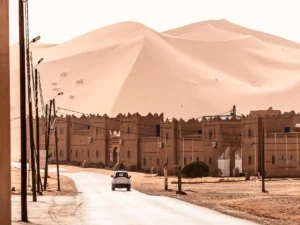
Souss-Massa Region – Beaches and nature reserves.
- Agadir: A modern coastal city with a long sandy beach and vibrant markets.
- Taghazout: Famous for surfing, attracting beginners and experienced surfers alike.
- Taroudant: Known as “mini-Marrakech,” with well-preserved ramparts and bustling souks.
Guelmim-Oued Noun Region – Southern desert landscapes and secluded coasts.
- Sidi Ifni: A laid-back coastal town featuring Spanish Art Deco architecture and the dramatic Legzira Beach rock arches.
- Dakhla: A lagoon-side paradise for kitesurfing and water sports, offering a secluded “Robinson Crusoe” experience.
From Mediterranean shores and imperial cities to Saharan dunes and rugged mountains, each Moroccan region presents unique opportunities for exploration, adventure, and cultural immersion. This diversity ensures that every itinerary can be tailored to a traveler’s personal interests and travel style.
IX. Food, Drinks & Moroccan Culinary Experiences
Moroccan cuisine is an intricate tapestry of flavor, patience, and ceremony. It reflects centuries of Arab, Amazigh, Andalusian, and Mediterranean influence, resulting in dishes that are both deeply comforting and quietly complex. Meals are rarely rushed. Cooking is an act of hospitality, and eating is a communal ritual that anchors daily life.
Iconic Moroccan Dishes
Tagine
Named after the conical clay vessel in which it is cooked, the tagine is Morocco’s culinary emblem. Slow-simmered over gentle heat, combinations range from chicken with preserved lemon and olives to lamb with prunes, almonds, and honey. The flavors deepen over hours, producing dishes that are fragrant, tender, and layered.
Couscous
Traditionally served on Fridays, couscous is a ceremonial meal rather than a casual one. Steamed semolina grains are topped with vegetables, chickpeas, and slow-cooked meat, all bathed in aromatic broth. It is often eaten communally, reinforcing its social importance.
Pastilla (Bastilla)
A sophisticated sweet-savory pastry, pastilla blends spiced meat—typically pigeon or chicken—with almonds, cinnamon, and sugar, encased in crisp warqa pastry. It is a dish of contrast and refinement, often reserved for celebrations.
Harira
This rich tomato-based soup, thickened with lentils and chickpeas, is a staple during Ramadan but enjoyed year-round. Hearty and restorative, it is often accompanied by dates or chebakia pastries.
Street Food & Everyday Eats
Moroccan street food is immediate, flavorful, and omnipresent. In cities like Marrakech and Fes, stalls serve grilled meats, kefta sandwiches, msemen (flaky flatbread), boiled snails in spiced broth, and fresh orange juice pressed to order. Hygienic standards vary; choosing busy stalls with high turnover is a reliable rule. This Morocco Travel Guide 2026 provides tips on the best culinary experiences, helping travelers savor authentic Moroccan flavors safely and confidently.
Bread & Dining Customs
Bread is central to Moroccan dining. Round loaves of khobz replace utensils, used to scoop and share from communal plates. Meals are typically eaten with the right hand only. Hospitality dictates that guests are offered the best portions—declining repeatedly may be considered impolite.
Drinks & Moroccan Tea Culture
Mint Tea
Often called “Moroccan whiskey,” mint tea is a cornerstone of social life. Made with green tea, fresh mint, and generous sugar, it is poured from height to create foam and served throughout the day. Refusing tea is rare and often requires polite persistence.
Coffee
Coffee culture exists alongside tea, particularly in urban cafés. Espresso and café noir are common, though tea remains the dominant beverage.
Alcohol
Alcohol is available in licensed hotels, bars, and select restaurants, particularly in larger cities. Moroccan wine and beer are produced domestically, though public consumption is prohibited and discretion is advised.
Culinary Experiences Not to Miss
- Home-Cooked Meals: Dining with a local family or in a riad offers insight into authentic preparation methods rarely found in restaurants.
- Cooking Classes: Many cities offer market-to-table cooking experiences, teaching the art of spice blending and slow cooking.
- Hammam Meals & Festive Feasts: Traditional celebrations feature elaborate spreads, revealing the ceremonial side of Moroccan cuisine.
Desserts & Sweets
Moroccan pastries are rich and indulgent, often made with honey, almonds, sesame, and orange blossom water. Favorites include chebakia, ghriba, and almond briouats. Desserts are typically served with tea rather than after meals.
Moroccan cuisine is not simply sustenance—it is storytelling. Each dish carries memory, geography, and tradition. To eat in Morocco is to be invited into its cultural heart, one shared plate at a time.
X. Packing Lists & What to Wear in Every Season
Packing for Morocco requires strategic foresight. The country’s climatic diversity, cultural expectations, and varied terrain demand versatility rather than excess. From sun-drenched deserts to cool mountain evenings and conservative urban settings, what you wear shapes both comfort and cultural harmony.
Core Packing Essentials (Year-Round)
Regardless of season, certain items are indispensable:
- Lightweight, breathable clothing in natural fabrics such as cotton or linen
- Comfortable walking shoes suitable for uneven medina streets and long days
- A scarf or shawl for sun protection, modesty, or cooler evenings
- Daypack or crossbody bag with secure closures
- Reusable water bottle (preferably insulated)
- Sun protection: sunglasses, wide-brim hat, high-SPF sunscreen
- Basic medical kit including motion sickness tablets and rehydration salts
- Copies of travel documents stored separately from originals
What to Wear by Season
Spring (March–May)
Spring offers mild days and cool evenings. Layering is key.
Pack:
- Long-sleeved shirts and lightweight sweaters
- Light jacket or windbreaker
- Trousers or midi skirts
- Breathable sneakers or walking sandals
Floral scarves and neutral tones blend seamlessly into both urban and rural settings.
Summer (June–August)
Heat dominates inland cities and desert regions, while coastal areas remain breezier.
Pack:
- Loose, light-colored clothing that covers arms and legs
- Linen trousers, maxi dresses, airy tunics
- Sun hat and UV-protective sunglasses
- Sandals with secure straps
Avoid synthetics. Modesty becomes more important as coverage offers both cultural respect and thermal comfort.
Autumn (September–November)
Autumn mirrors spring but with warmer early weeks and cooler nights.
Pack:
- Transitional layers
- Long trousers and breathable tops
- Light jacket or cardigan
- Closed-toe shoes for city exploration
This is an ideal season for trekking and desert travel.
Winter (December–February)
Winters are mild in cities but cold in the mountains and desert at night.
Pack:
- Warm layers: fleece, thermal tops
- Insulated jacket for evenings and high-altitude regions
- Sturdy closed shoes or boots
- Gloves and wool socks for Atlas or Sahara travel
Riads and traditional homes often lack central heating, making warm sleepwear essential.
Cultural Dress Considerations
Morocco values modesty without rigidity. Both men and women should aim to cover shoulders, chests, and knees, particularly in rural areas and religious sites. Women may find loose silhouettes and longer hemlines both respectful and practical. Men should avoid sleeveless tops in non-resort settings.
Desert & Mountain Additions
- Lightweight trekking pants
- Closed hiking shoes
- Head covering for sun and sand
- Compact flashlight or headlamp
- Small backpack for excursions
What to Leave Behind
- Excessive jewelry or valuables
- Heavy luggage stairs and cobblestones are common
- Revealing clothing that may draw unwanted attention
Packing thoughtfully enhances mobility, comfort, and cultural ease. In Morocco, practicality paired with respectful elegance ensures readiness for every landscape, season, and encounter.
XI. Accommodation Guide: Riads, Hotels & Desert Camps
Accommodation in Morocco is far more than a place to sleep. It is an extension of the travel experience itself, offering immersion into architecture, hospitality, and the rhythm of life. From intricately tiled riads hidden within ancient medinas to expansive resorts and remote desert camps beneath star-laden skies, lodging options span every style and budget. This Morocco Travel Guide 2026 highlights the best places to stay, helping travelers choose accommodations that enhance their journey and cultural immersion.
Riads: The Heart of Moroccan Hospitality
Riads are traditional Moroccan homes built around an interior courtyard or garden, often featuring zellige tilework, carved cedarwood, and tranquil fountains. Many historic riads have been restored into intimate guesthouses or boutique hotels.
Why Choose a Riad:
- Central locations within medinas
- Personalized service and home-cooked breakfasts
- Architectural authenticity and serene atmospheres
Riads typically have fewer rooms, creating a quiet, refined experience. While some lack elevators or vehicle access, staff often assist with luggage. Staying in a riad offers proximity to souks, monuments, and daily life—ideal for travelers seeking cultural immersion.
Hotels & Resorts: Comfort and Convenience
Morocco’s hotels range from simple, functional accommodations to lavish five-star resorts.
City Hotels
Modern hotels in cities like Casablanca, Rabat, and Agadir offer convenience, elevators, business amenities, and easy vehicle access. They suit travelers prioritizing comfort, accessibility, or short stays.
Luxury Resorts
Found in Marrakech, Agadir, and coastal regions, resorts provide expansive grounds, pools, spas, and international dining. They are ideal for relaxation, honeymoons, or travelers seeking refuge from urban intensity.
Desert Camps: Sleeping Beneath the Stars
Desert camps in regions like Merzouga and Zagora provide one of Morocco’s most unforgettable experiences. Nestled among Saharan dunes, these camps range from rustic to luxurious.
Standard Camps
Offer traditional tents, shared or basic private facilities, and an authentic nomadic atmosphere.
Luxury Camps
Feature en-suite bathrooms, proper beds, electricity, and refined dining—without sacrificing the magic of desert silence.
Evenings typically include traditional music, storytelling, and stargazing. Desert temperatures fluctuate dramatically, so warm bedding and layered clothing are essential.
Mountain Lodges & Guesthouses
In the Atlas Mountains, guesthouses and eco-lodges offer warm hospitality in remote settings. These accommodations are often family-run, serving home-cooked meals and offering guided hikes. Comfort levels vary, but the authenticity is unmatched.
Booking Tips & Practical Considerations
- Advance reservations are strongly recommended during peak seasons (spring and autumn).
- Check accessibility if mobility is a concern—medina riads often require walking through narrow alleys.
- Confirm amenities such as heating, air conditioning, and hot water, especially in winter or rural areas.
- Read recent reviews to gauge service quality and location accuracy.
Price Expectations
Morocco offers exceptional value. Budget travelers can find charming guesthouses at modest prices, while luxury accommodations deliver high standards at costs significantly lower than comparable properties in Europe or North America.
Choosing the right accommodation shapes the journey. Whether waking to birdsong in a riad courtyard, gazing at dunes from a desert tent, or unwinding in a coastal resort, Morocco’s lodgings invite travelers to rest within its rich and varied landscapes.
XII. Internet, SIM Cards & Connectivity
Staying connected in Morocco is generally straightforward, particularly in cities and tourist centers. While digital infrastructure continues to improve, connectivity varies by region, making a combination of mobile data and offline preparation the most reliable approach.
Mobile Networks & Coverage
Morocco has three primary mobile network operators: Maroc Telecom, Orange Morocco, and inwi. All offer widespread 4G/LTE coverage in urban areas, coastal towns, and along major transportation routes. Speeds are typically sufficient for navigation, messaging, video calls, and light remote work.
Beginning December 2025, select major cities are expected to be covered by 5G networks, marking a significant upgrade in mobile connectivity. Initial rollout is anticipated in high-demand urban hubs such as Casablanca, Rabat, and Marrakech, with gradual expansion thereafter. Travelers visiting after this period may experience faster speeds and improved network stability in these locations.
Coverage becomes less consistent in remote regions, the Atlas Mountains, and deep desert areas. In these locations, signal may weaken or disappear entirely, reinforcing the importance of offline maps and pre-downloaded resources.
SIM Cards & Data Plans
Local SIM cards are inexpensive and easy to obtain. They are commonly sold at airports, telecom shops, and authorized kiosks. A passport is required for registration.
Key advantages of a local SIM:
- Affordable data packages
- Reliable coverage compared to roaming
- Easy top-ups via mobile shops or online platforms
Tourist SIM packages typically include generous data allowances valid for 7 to 30 days. Activation is usually immediate, though it is advisable to test connectivity before leaving the vendor.
eSIM Options
If your phone supports eSIM, it can be one of the easiest ways to stay connected in Morocco. You can buy and install your data plan before your trip, then activate it when you arrive without having to search for a SIM card shop at the airport or in the city.
Airalo, Yesim, and Saily are popular options for travelers. Each offers different data plans, prices, and coverage, so it’s worth comparing them before your trip to see which one works best for you.
An eSIM may cost a little more than a local Moroccan SIM, but you’re mainly paying for convenience. There’s no physical SIM to swap, no store to visit, and you can get online as soon as you arrive.
Before buying, make sure your phone is unlocked and supports eSIM technology.
Wi-Fi Availability
Wi-Fi is widely available in riads, hotels, cafés, and restaurants. Quality varies considerably depending on location and infrastructure. In major cities, modern hotels, upscale riads, coworking spaces, and serviced apartments increasingly rely on fiber-optic internet, with speeds that can reach up to 1 Gbps in some properties. This level of connectivity supports video conferencing, cloud-based work, and other bandwidth-intensive tasks.
In contrast, smaller riads, budget accommodations, and rural guesthouses may offer slower or intermittent connections. Power outages, while infrequent in cities, can temporarily affect service, particularly outside urban centers.
Connectivity Tips
- Download offline maps, translation tools, and travel documents before arrival.
- Carry a portable power bank, particularly during long travel days.
- Avoid public Wi-Fi for sensitive transactions unless using a VPN.
- Confirm internet speed if planning remote work, especially in smaller towns.
Remote Areas & Desert Travel
In the Sahara and remote mountain regions, connectivity is minimal or nonexistent. Desert camps may offer limited Wi-Fi or mobile signal, often confined to communal areas. This digital silence is part of the experience and should be anticipated rather than resisted.
Morocco offers sufficient connectivity for most modern travel needs, while still preserving pockets of disconnection. With a local SIM and thoughtful preparation, staying online is easy—when you choose to be.
XIII. Health, Insurance & Emergency Tips
Safeguarding health and well-being is an essential component of traveling in Morocco. While the country offers competent medical services and accessible pharmacies, preparation and awareness significantly reduce risk and stress, particularly for travelers venturing beyond major cities.
Health Precautions & Medical Care
No special vaccinations are required for most travelers beyond routine immunizations. However, ensuring that standard vaccines are up to date is prudent. In urban centers, private clinics and hospitals provide reliable care, often with French- or English-speaking staff. Rural and remote areas have more limited facilities, making advance planning especially important.
Food & Water Safety
Tap water should not be consumed. Bottled or properly filtered water is recommended for drinking and brushing teeth. Freshly cooked food is generally safe, while unwashed fruits and vegetables should be avoided unless peeled. Hand hygiene plays a critical role, particularly when eating street food.
Pharmacies & Medication
Pharmacies are widespread, well-stocked, and easily identifiable by a green cross. Many medications that require prescriptions elsewhere are available over the counter. Travelers relying on specific prescriptions should bring an adequate supply, along with a copy of the prescription.
Travel Insurance
Travel insurance is worth considering when visiting Morocco, especially if your trip includes several destinations, outdoor activities, or a longer stay. A good policy can help with unexpected medical expenses, hospitalization, travel delays, cancellations, and certain emergencies during your trip.
For digital nomads and long-term travelers, SafetyWing is one option worth checking out. It’s designed with people traveling or living abroad in mind, making it particularly relevant if Morocco is just one stop on a longer journey.
Before purchasing any policy, check the coverage carefully, especially if you plan on trekking in the Atlas Mountains, taking desert excursions, or doing other adventure activities. Coverage, exclusions, and limits can vary.
It’s also a good idea to keep your policy details accessible on your phone and save an offline copy in case you need them while traveling.
Emergency Services & Important Numbers
In case of emergency, the following numbers apply:
- Police: 19 (landlines) or 112 (mobile phones)
- Ambulance/Fire: 15
Response times are generally efficient in cities but can be slower in rural regions. Hotel staff, riad hosts, and tour operators are often valuable intermediaries in urgent situations.
Heat, Altitude & Environmental Considerations
Morocco’s climate varies dramatically. In summer, heat exhaustion and dehydration are real risks, particularly in desert regions. Drink water frequently, avoid midday sun, and wear protective clothing.
In the Atlas Mountains, altitude can affect some travelers. Acclimatization, hydration, and gradual ascents help mitigate symptoms.
Personal Safety & Preparedness
- Carry basic first-aid supplies, including rehydration salts and pain relief.
- Keep emergency contacts and medical information accessible.
- Inform someone of your travel plans when exploring remote areas.
Mental Well-being & Travel Fatigue
Morocco’s sensory intensity—crowded medinas, persistent vendors, unfamiliar customs—can be overwhelming. Taking breaks, scheduling downtime, and retreating to quieter spaces help maintain balance and enjoyment.
With thoughtful preparation, Morocco remains a safe and manageable destination. Prioritizing health, securing adequate insurance, and understanding emergency procedures ensure that unexpected challenges remain minor interruptions rather than defining moments.
XIV. Essential Apps & Travel Tools
Navigating Morocco is significantly easier with the right digital tools. From decoding medina labyrinths to managing money, language, and transportation, a curated selection of apps enhances efficiency while reducing friction. Preparation transforms complexity into confidence.
Navigation & Mapping
Google Maps remains indispensable for city navigation, walking routes, and business listings. However, medinas can be misleading due to narrow alleys and limited GPS accuracy. Downloading offline maps is essential.
Maps.me offers detailed offline navigation and performs particularly well in older city centers and remote areas where signal strength fluctuates.
Transportation & Mobility
- Careem and InDrive provide ride-hailing services in major cities, offering transparent pricing and reducing the need for fare negotiation.
- ONCF App enables train schedule checks and ticket purchases for intercity rail travel.
- CTM & Supratours Websites/Apps assist with long-distance bus bookings, especially for destinations beyond the rail network.
Language & Communication
While French and Arabic dominate daily life, English is increasingly understood in tourist areas.
- Google Translate (with Arabic and French offline downloads) is invaluable for menus, signs, and basic communication.
- Duolingo or similar language apps can help travelers learn essential phrases before arrival, enhancing interactions and goodwill.
Money & Budgeting
- XE Currency or Wise provides real-time exchange rates and offline conversion tools.
- Banking Apps help monitor spending, receive fraud alerts, and manage withdrawals.
- Splitwise is useful for group travel expenses.
Accommodation & Experiences
- agoda.com and Airbnb dominate accommodation reservations.
- WhatsApp is widely used by riads, guides, and drivers for confirmations and communication often preferred over email.
- GetYourGuide or Viator assist with booking tours, cooking classes, and excursions, particularly in Marrakech and Fes.
Connectivity & Security
- VPN Services enhance privacy when using public Wi-Fi and accessing sensitive accounts.
- eSIM Apps allow instant data access upon arrival for compatible devices.
Productivity & Organization
For longer stays or remote work:
- Google Drive or Dropbox for document storage and backups
- Notion or Evernote for itinerary planning and notes
- World Clock Apps to manage time zones when working with international teams
Offline Essentials
Before departure or upon arrival, download:
- Offline maps
- Boarding passes and travel documents
- Emergency contacts
- Translation packs
With the right digital toolkit, Morocco becomes more navigable, less intimidating, and far more efficient. Technology, when used thoughtfully, complements the country’s timeless rhythms without intruding upon the experience.
XV. Sustainable & Responsible Travel Practices
Travel in Morocco carries both privilege and responsibility. The country’s cultural heritage, natural landscapes, and traditional livelihoods are finely balanced systems shaped over centuries. Thoughtful travel choices help preserve this equilibrium, ensuring that tourism benefits local communities while minimizing environmental and social impact.
Support Local Economies
Choose locally owned riads, guesthouses, and restaurants whenever possible. These establishments reinvest income directly into the community and often provide more authentic experiences. Hiring licensed local guides, drivers, and artisans not only enriches understanding but also sustains traditional knowledge and employment.
When shopping, prioritize cooperatives and workshops that produce handmade goods such as ceramics, textiles, argan oil, and leather. Ask about sourcing and production methods. Fair pricing supports craftsmanship and discourages exploitative practices.
Reduce Environmental Impact
Morocco faces increasing pressure on water resources, particularly in arid regions. Responsible travelers can help by:
- Taking shorter showers
- Reusing towels and linens
- Avoiding unnecessary laundry
Carry a reusable water bottle and use filtered water where available. Reduce plastic waste by declining single-use bags and bottles. Dispose of trash responsibly, especially in rural and desert areas where waste management is limited.
Respect Cultural Norms & Traditions
Cultural sensitivity is a cornerstone of responsible travel. Dress modestly, particularly in rural communities and religious sites. Seek permission before photographing people. Learn basic greetings in Arabic or Amazigh; even small efforts foster mutual respect.
During Ramadan, refrain from eating, drinking, or smoking in public during daylight hours. Awareness of religious observances demonstrates respect for local values and daily rhythms.
Ethical Wildlife & Nature Encounters
Avoid activities that exploit animals for entertainment, such as poorly regulated animal rides or photo opportunities. In natural areas, stay on marked paths, respect wildlife habitats, and follow local conservation guidelines.
When trekking in the Atlas Mountains or visiting desert regions, choose operators committed to environmental stewardship and fair labor practices.
Responsible Desert Tourism
Desert ecosystems are fragile. Select camps that manage waste responsibly, limit vehicle use on dunes, and employ local nomadic communities. Leave no trace. Silence, not spectacle, is the desert’s greatest luxury.
Minimize Overtourism
Morocco’s most famous cities attract heavy tourism, particularly during peak seasons. Balance itineraries by including lesser-visited towns and regions. Traveling beyond the well-trodden routes distributes economic benefits more equitably and reduces pressure on overcrowded destinations.
Give Thoughtfully
If you wish to contribute to local causes, do so through reputable charities, schools, or community initiatives rather than giving money directly to children on the street, which can perpetuate dependency. Many riads and tour operators can recommend responsible organizations.
Sustainable travel in Morocco is not about restraint—it is about intention. Conscious choices deepen connection, preserve heritage, and ensure that the country’s generosity remains enduring for generations to come.
XVI. Photography Tips for Capturing Morocco
Morocco is a visual symphony—light, texture, color, and motion converging at every turn. From labyrinthine medinas and sweeping desert horizons to intimate human moments, the country rewards patient, observant photographers. Capturing Morocco well requires more than technical proficiency; it demands cultural sensitivity and an attunement to rhythm and light.
Master the Light
Light defines Moroccan photography. Early mornings and late afternoons—the golden hours—produce soft shadows, warm tones, and dramatic contrast, particularly in cities like Marrakech, Fes, and Essaouira. Midday sun can be harsh, flattening detail, but works effectively for high-contrast street scenes and architectural geometry.
In the desert, sunrise and sunset are indispensable. Dunes transform by the minute, shifting from pale gold to deep amber as shadows stretch and retreat.
Composition in the Medina
Medinas are dense, kinetic environments. Narrow alleys, archways, and doorways naturally frame subjects. Look for repetition—tiles, lanterns, textiles—and allow the environment to guide composition. Patience reveals moments of stillness amid the chaos.
A wide-angle lens excels in confined spaces, while a discreet prime lens encourages unobtrusive street photography.
People & Cultural Sensitivity
Always ask permission before photographing individuals, particularly women, elders, and street performers. A respectful gesture or brief conversation often opens doors. Some people may request a small payment; this is customary and should be negotiated politely beforehand.
Avoid photographing police, military personnel, checkpoints, or government buildings. Discretion is essential.
Color & Detail
Morocco is rich in chromatic contrast. Capture the cobalt blues of Chefchaouen, the terracotta hues of Marrakech, the emerald tiles of mosques, and the metallic gleam of souk lanterns. Detail shots—hands kneading dough, spices piled in pyramids, weathered doors—tell stories just as powerfully as wide scenes.
Gear & Practical Considerations
- Protect equipment from sand, dust, and heat, particularly in desert regions.
- Carry lens cloths and sealed bags.
- Use wrist or neck straps in crowded areas.
- A polarizing filter enhances skies and reduces glare, especially along the coast.
Tripods are useful for low-light riad courtyards or night photography, but they may attract attention in busy public spaces.
Portraits & Markets
Markets are alive with movement. Rather than chasing shots, observe first. Let scenes unfold. Portraits are most compelling when context is preserved—vendors at work, artisans mid-process, tea being poured. Engage before you photograph. Human connection elevates the image.
Ethical Storytelling
Photography in Morocco is not about extraction; it is about exchange. Avoid turning hardship into spectacle. Seek dignity, authenticity, and balance. Images should reflect respect as much as beauty.
Morocco does not demand perfection from the lens. It rewards presence. When patience aligns with curiosity, the country reveals itself—one frame at a time.
XVII. Digital Nomad Essentials
Morocco is increasingly appealing to digital nomads, offering a mix of vibrant cities, tranquil landscapes, and a culturally immersive environment. Working remotely here requires more than just a laptop—it demands planning for connectivity, accommodation, and lifestyle balance to harmonize productivity with exploration.
for more check this page Essentials!
Reliable Internet & Workspaces
Connectivity is the cornerstone for digital nomads. Major cities such as Casablanca, Rabat, Marrakech, and Fes now feature reliable 4G/LTE networks, with 5G rolling out in select cities from December 2025. Many accommodations in urban centers provide fiber-optic internet up to 1 Gbps, sufficient for video conferencing, cloud work, and streaming.
Coworking Spaces
- Marrakech: Spaces like The Spot or KechHub combine fast internet, comfortable desks, and community networking.
- Casablanca & Rabat: Numerous coworking hubs cater to entrepreneurs and freelancers with modern facilities and networking events.
- Smaller cities: Options are limited; planning remote work days in well-connected urban centers is advisable.
Accommodation for Nomads
Long-term stays in riads, serviced apartments, or boutique hotels are preferable. Key considerations include:
- Strong Wi-Fi connectivity
- Quiet environment for work
- Reliable electricity and backup power
- Kitchen or meal access for longer stays
Some riads and hostels also cater specifically to remote workers with dedicated desks or lounges.
Mobility & Transportation
A flexible transport plan is essential. Digital nomads often combine city living with periodic trips to the mountains, desert, or coast. Reliable intercity transport includes:
- ONCF trains for major cities
- CTM & Supratours buses for less accessible regions
- Rental cars for freedom in rural and mountainous areas
Within cities, Careem and InDrive apps make commuting seamless.
Lifestyle & Productivity
Balancing work with cultural immersion is vital. Nomads benefit from:
- Planning mornings for work and afternoons for exploration
- Integrating language practice (Arabic or French) into daily life
- Establishing routines to avoid burnout in highly stimulating environments
Tools & Tech
Essential apps for Moroccan nomads include:
- VPNs for secure internet usage
- Offline maps for navigation in areas with patchy coverage
- Finance apps for currency tracking and expense management
- Cloud storage and productivity suites for file access anywhere
Health & Well-being
Remote work in Morocco also demands attention to well-being:
- Hydration and sun protection, particularly when traveling between cities or spending time outdoors
- Travel insurance covering medical emergencies and evacuation
- Flexibility to accommodate unexpected network or power outages
Community & Networking
Engaging with local expat and digital nomad communities enhances both social and professional life. Social media groups, coworking events, and local meetups can provide support, collaboration opportunities, and insider tips.
With the right preparation, Morocco offers a compelling blend of productivity and adventure. Digital nomads can work efficiently while immersing themselves in a culture of color, flavor, and extraordinary landscapes.
XVIII. Shopping, Souks & Local Products
Shopping in Morocco is an experience that engages all the senses—vivid colors, intoxicating aromas, intricate textures, and animated negotiations. Markets, or souks, are at the heart of Moroccan commerce, reflecting centuries of artisanal tradition and cultural heritage. Approaching them with curiosity, patience, and respect transforms a shopping trip into a cultural adventure.
Exploring the Souks
Medina Markets
The medinas of Marrakech, Fes, and Essaouira are labyrinths of alleyways brimming with merchants. Goods are often grouped by type:
- Souk Semmarine (Marrakech): Leather goods, carpets, and traditional clothing
- Souk el Henna (Fes): Henna, herbal remedies, and traditional cosmetics
- Souk Jdid (Essaouira): Art galleries, local crafts, and jewelry
Souks can be bustling and chaotic. Walk slowly, observe, and let the experience unfold. Photography is welcomed in some areas, but always ask permission before photographing people or goods.
Modern Bazaars & Markets
In addition to traditional souks, modern markets and shopping centers in Casablanca, Rabat, and Agadir offer convenience, fixed prices, and climate-controlled spaces, ideal for tech or international brand shopping.
Haggling & Negotiation
Bargaining is a cultural norm and an art form. Some tips:
- Start by offering roughly half the initial price and negotiate from there
- Maintain a friendly, light-hearted attitude
- Be willing to walk away; sometimes vendors will call you back with a better offer
- Cash is king; many small stalls do not accept cards
Haggling is as much about interaction and social exchange as securing a price.
Iconic Moroccan Products
Textiles & Rugs
Moroccan carpets, kilims, and blankets are woven with regional patterns and techniques. Berber rugs from the Atlas Mountains feature bold geometric designs, while flatweaves are lighter and ideal for travel. Always inquire about origin and craftsmanship.
Leather Goods
Fes is famous for tanneries producing soft, richly dyed leather. Bags, poufs, slippers, and jackets are widely available. Inspect the quality of stitching and dyeing for authenticity.
Ceramics & Pottery
Zellige tiles, hand-painted bowls, and tagines showcase Morocco’s ceramic artistry. Chefchaouen and Fes are renowned centers for intricate, colorful pottery.
Spices & Culinary Staples
Saffron, cumin, paprika, ras el hanout blends, and preserved lemons are essential souvenirs for food enthusiasts. Buying from reputable vendors ensures quality and authenticity.
Argan Oil & Beauty Products
Produced in southern Morocco, argan oil is prized for culinary and cosmetic uses. Support women’s cooperatives that produce ethically sourced oil, benefiting local communities.
Jewelry & Metalwork
Silver and brass jewelry, lanterns, and decorative trays are abundant. Moroccan craftsmanship often combines geometric patterns and filigree work.
Practical Tips for Shopping
- Bring small bills and coins; making exact change simplifies transactions.
- Avoid overpacking; many items, particularly textiles and ceramics, are bulky.
- Keep valuables secure, especially in crowded markets.
- Compare prices across stalls to ensure fair value without disrupting local customs.
Shopping in Morocco is more than acquiring goods—it is an immersive cultural exchange, a lesson in negotiation, and a window into the country’s artisanal soul. Every purchase carries a story, connection, and memory that extends far beyond the market walls.
XIX. Scams to Avoid & Practical Street Smarts
Morocco is a safe and welcoming destination, but travelers should remain alert and informed. Petty scams and opportunistic schemes are common in crowded areas, tourist hotspots, and transportation hubs. Awareness, courtesy, and vigilance help prevent unpleasant experiences without diminishing enjoyment.
Common Scams & How to Avoid Them
Unlicensed Guides & “Helpers”
In medinas and at major attractions, individuals may offer unsolicited guidance, claiming access to hidden sites or shortcuts. They often expect large, unagreed-upon payments afterward.
- Tip: Only hire guides from official associations, tourist offices, or your accommodation. Agree on a price upfront.
Fake or Inflated Taxis
Some taxi drivers may refuse to use meters or overcharge tourists, particularly in high-traffic cities.
- Tip: Always insist the meter is used or negotiate the fare before departure. For longer journeys, consider ridesharing apps like Careem or InDrive.
“Closed Attraction” Trick
Vendors may claim a site is closed to redirect visitors to shops or other paid attractions.
- Tip: Verify opening hours independently or ask hotel staff for confirmation.
Street Vendors & Pickpocketing
Petty theft is most common in crowded souks, markets, and public transport. Distraction tactics, sudden bumping, or overly friendly interactions can precede theft.
- Tip: Keep wallets, passports, and phones secure. Use a crossbody bag or money belt and avoid displaying expensive jewelry or electronics.
Camel & Horse Riding in Tourist Areas
Some operators may inflate prices or pressure tourists to pay extra after the ride.
- Tip: Agree on costs in advance and ask for a written or clear verbal agreement.
Practical Street Smarts
Dress & Behavior
- Dress modestly to avoid unwanted attention; cover shoulders and knees, especially in rural areas and religious sites.
- Walk confidently and politely decline persistent offers with “la shukran” (no thank you).
Solo Travel Precautions
- Women traveling alone may experience catcalling. Stick to well-populated streets, avoid walking at night in poorly lit areas, and seek reputable accommodation for security.
Money Safety
- Avoid carrying large amounts of cash; use cards where accepted.
- Split cash and valuables between multiple pockets or compartments.
Transport Awareness
- Only use licensed taxis and reputable bus or train services.
- Be cautious of unofficial drivers offering rides at “special tourist rates.”
Digital Safety
- Use a VPN on public Wi-Fi to protect sensitive data.
- Avoid sharing real-time location publicly on social media in crowded areas.
Trust Your Instincts
If something feels off, politely remove yourself from the situation. Most vendors, guides, and locals are honest, but trusting your intuition helps prevent stress or loss. Engaging with Morocco respectfully, confidently, and cautiously allows you to enjoy the country’s vibrancy without falling victim to common tourist traps.
Street smarts are not just about safety—they enhance your travel experience, enabling confident exploration of medinas, markets, and cultural sites while maintaining peace of mind.
XX. Final Travel Checklist Before Departure
Preparing for a journey to Morocco requires careful planning to ensure comfort, safety, and a seamless experience. This final checklist, part of the Morocco Travel Guide 2026, organizes essential items, documents, and considerations, helping travelers depart with confidence and peace of mind.
Travel Documents
- Passport: Valid for at least 3–6 months beyond your stay.
- Visa/eVisa: If required, confirm validity and print a copy.
- Travel Insurance: Coverage details and emergency contact numbers.
- Flight Tickets & Accommodation Confirmations: Hard copies or offline digital copies.
- Emergency Contacts: Local embassy, family, and accommodation contacts.
- Vaccination or Health Certificates: If applicable.
Money & Finances
- Local currency (Moroccan Dirhams) for immediate expenses.
- Credit/debit cards with international access; notify your bank of travel dates.
- Currency conversion app or offline rates for reference.
- Small bills and coins for taxis, tips, and markets.
Packing Essentials
- Clothing: Season-appropriate, modest attire, layers for varying temperatures.
- Footwear: Comfortable walking shoes, sandals, or hiking boots as needed.
- Accessories: Hat, sunglasses, scarf, reusable water bottle.
- Toiletries & Medications: Personal items, prescription medication, first-aid kit.
- Tech Gear: Phone, chargers, power bank, adapters, camera, and memory cards.
- Travel Guides & Maps: Physical copies or offline digital versions.
Health & Safety
- Sun protection: sunscreen, lip balm, hat.
- Hand sanitizer and hygiene supplies.
- Copies of medical prescriptions.
- Knowledge of local emergency numbers (Police: 19/112, Ambulance/Fire: 15).
- Awareness of local customs, dress codes, and safety tips.
- digital nomad wellness (READ IT)
Connectivity
- Local SIM card or eSIM plan arranged for arrival.
- Offline maps and translation apps downloaded.
- VPN for secure internet access on public Wi-Fi.
Miscellaneous
- Snacks for travel days or remote excursions.
- Small backpack or daypack for daily use.
- Travel locks for luggage.
- Notebook or journal for itineraries, contacts, and reflections.
Mental Preparation
- Review itinerary, transport options, and cultural etiquette.
- Prepare for sensory and cultural differences: bustling medinas, desert landscapes, and mountainous terrain.
- Set realistic expectations for travel time and flexibility.
(This checklist ensures that travelers are organized, informed, and ready)
Morocco is a land of contrasts—where ancient traditions coexist with modern cities, golden deserts meet snow-capped mountains, and vibrant medinas pulse with life alongside serene coastal towns. Traveling here is more than sightseeing; it is an immersion into a culture rich in history, color, flavor, and hospitality.
A successful Moroccan journey relies on thoughtful preparation: understanding entry requirements, planning itineraries that balance urban and natural wonders, respecting local customs, and safeguarding health and safety. With careful attention to practicalities transport, connectivity, budgeting, and accommodation—travelers can focus on the experiences that make Morocco unforgettable: the aroma of spices in a bustling souk, the golden glow of desert dunes at sunset, the intricate mosaics of a centuries-old riad, and the warmth of Moroccan hospitality.
This Morocco Travel Guide 2026 ensures travelers are well-prepared to navigate the country confidently, uncover hidden gems, and embrace both the anticipated highlights and serendipitous moments. By approaching the journey with curiosity, respect, and openness, visitors are rewarded with memories that endure long after the trip ends.
Morocco invites exploration, challenges the senses, and offers a tapestry of experiences that are at once exhilarating, enlightening, and profoundly human. It is a destination that leaves a lasting imprint on both heart and mind, reminding travelers that the true magic of Morocco lies not just in its sights but in the connections, discoveries, and stories woven throughout every journey.