






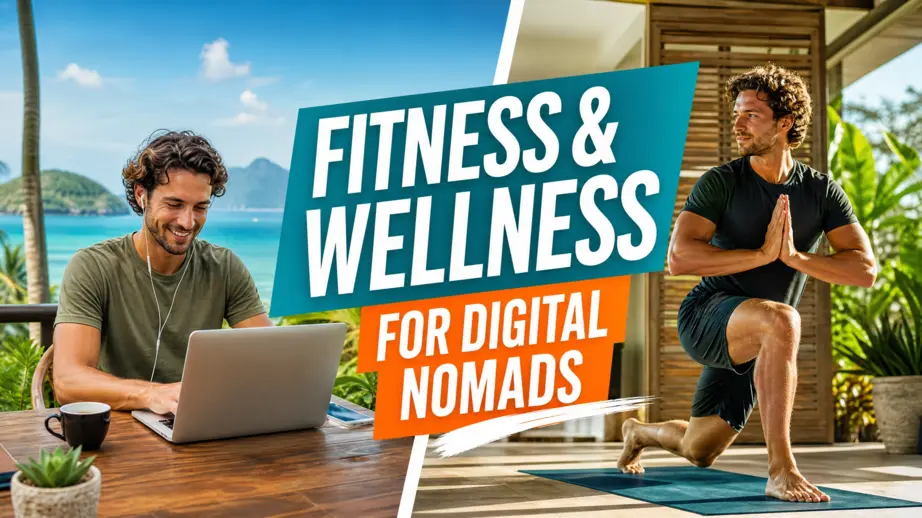
The freedom to work from a beach town, mountain city, quiet café, or coworking space sounds ideal until your sleep schedule disappears, your back starts hurting, meals become inconsistent, and every week feels like another travel day.
That is where digital nomad wellness becomes essential.
A healthy digital nomad lifestyle is not about following a perfect routine in every country. It is about building a small set of habits that continue working when your apartment, time zone, workspace, and daily schedule keep changing.
Physical activity, sleep, nutrition, posture, stress management, and social connection all influence how well you can work while traveling. Ignore them for too long and the lifestyle that once felt liberating can quickly become exhausting.
The goal is not to make travel feel like another productivity project.
It is to create enough stability that you can enjoy the freedom without constantly recovering from it.
Why Digital Nomad Wellness Matters
Working remotely removes many of the routines that normally structure a day.
There may be no commute forcing you to walk. No familiar kitchen. No permanent desk. No regular gym. No fixed bedtime. Even simple things such as grocery shopping, exercise, or meeting friends have to be rebuilt every time you move.
That flexibility is exciting, but it also creates friction.
A sustainable work and travel lifestyle usually depends on five areas:
- Movement
- Sleep and recovery
- Nutrition
- A comfortable work setup
- Mental and social wellbeing
When these areas are reasonably stable, it becomes easier to concentrate on work and enjoy the destination around you.
Quick Digital Nomad Wellness Checklist
| Area | Simple Goal | Practical Habit |
|---|---|---|
| Movement | Avoid sitting all day | Walk daily and schedule short workouts |
| Sleep | Protect recovery | Keep a consistent sleep window when possible |
| Nutrition | Maintain steady energy | Buy simple groceries before relying on takeaways |
| Posture | Reduce unnecessary strain | Raise your laptop and use an external keyboard |
| Stress | Create mental space | Take breaks away from screens |
| Social life | Avoid isolation | Join local activities or communities |
| Travel rhythm | Reduce exhaustion | Add slower days between major travel days |
1. Build a Fitness Routine That Works in Any City
The best fitness routine for a digital nomad is not necessarily the most intense one.
It is the one you can repeat.
A routine that depends on one specific gym, machine, class, or location becomes difficult to maintain when you move every few weeks.
Instead, build your exercise habits around options that are easy to recreate.
Use Flexible Gym Access
Large gym networks can be useful if you regularly visit cities where they operate.
Services such as Anytime Fitness may suit travelers who prefer traditional gyms, while platforms such as ClassPass can offer more variety through participating studios and fitness classes.
The exact availability differs by destination, so always check what is actually accessible before choosing accommodation based around a gym membership.
Compare Your Options
| Option | Best For | Main Advantage |
|---|---|---|
| Local gym | Staying several weeks in one place | Often affordable |
| Multi location gym | Frequent city changes | Familiar equipment |
| Fitness class platform | Variety | Different studios and activities |
| Hotel or apartment workout | Short stays | No commute |
| Outdoor exercise | Travelers who enjoy exploring | Combines movement with sightseeing |
2. Keep a Small Portable Workout Kit
You do not need to turn your backpack into a mobile gym.
A few lightweight items can make exercise much easier when you do not have access to fitness facilities.
Resistance Bands
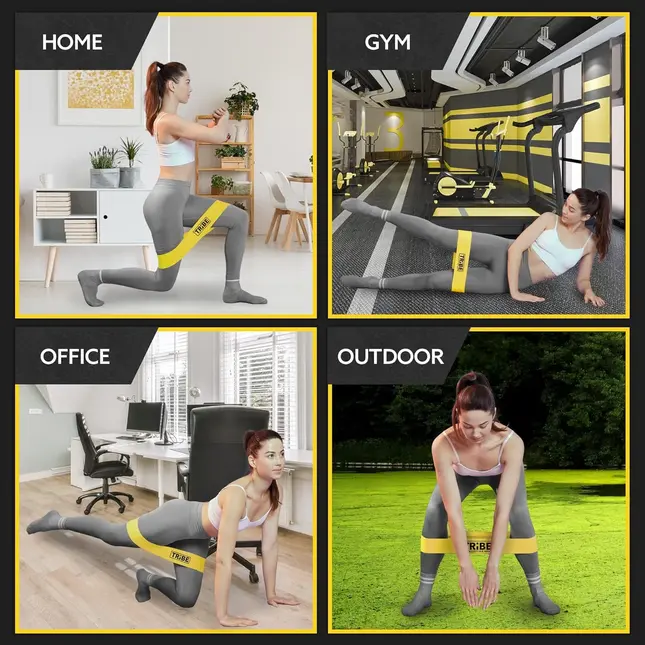
Resistance bands take very little luggage space and can be useful for simple strength exercises.
They are especially practical when you are staying in apartments, hostels, guesthouses, or hotel rooms where equipment is limited.
Travel Yoga Mat
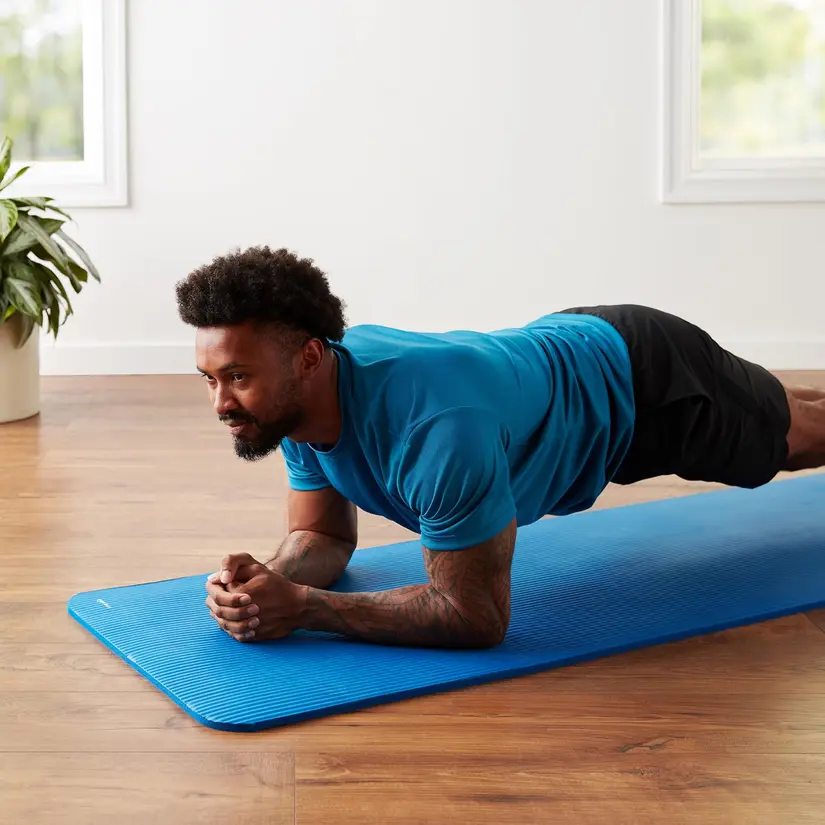
A thin folding mat can make stretching, mobility work, or yoga more comfortable.
It is also useful when the floor in your temporary accommodation is not exactly inviting.
Jump Rope
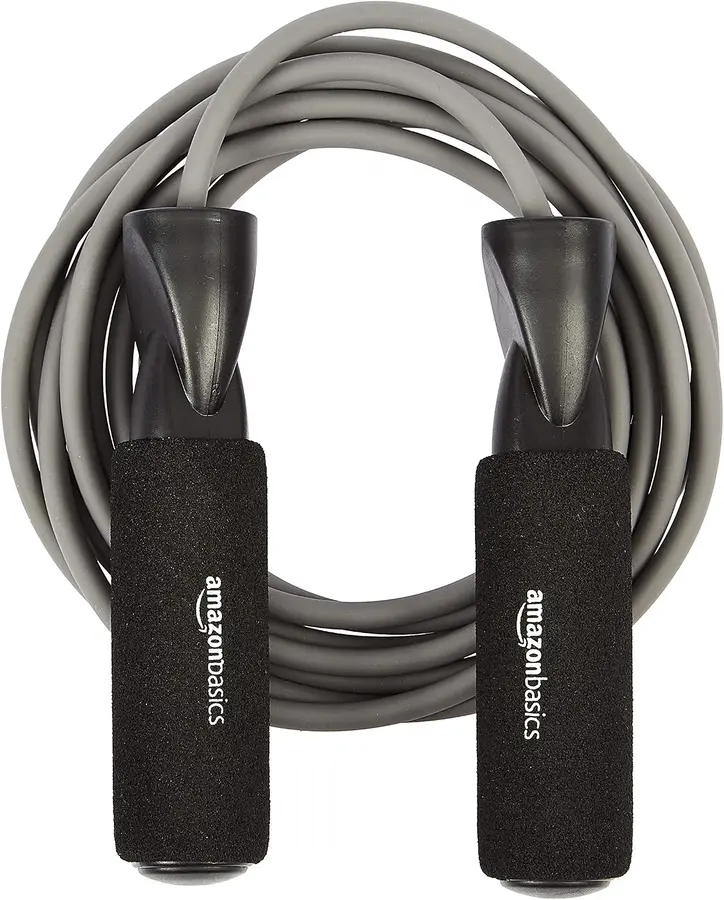
A jump rope packs easily and can provide a quick cardio session where the environment is appropriate.
If the room is small, the ceiling is low, or noise could disturb neighbors, walking or a short outdoor session may be more practical.
Portable equipment works best when it makes your routine easier rather than adding more items you rarely use.
3. Treat Walking as Part of Your Routine
Travel naturally creates opportunities to move.
- Use them.
- Walk to a café instead of ordering delivery.
- Explore a neighborhood on foot.
- Take the stairs when practical.
- Walk to the coworking space.
- Spend part of your lunch break outside.
These small choices are easier to maintain than expecting yourself to complete a full workout every day.
Walking also gives you something exercise inside a gym cannot offer.
It helps you understand the destination.
You notice markets, side streets, architecture, parks, food stalls, and neighborhoods you might otherwise pass in a taxi.
4. Protect Your Sleep When Time Zones Change
Sleep can become one of the first casualties of frequent travel.
Flights, overnight buses, unfamiliar rooms, street noise, changing schedules, and working with clients in another time zone can all disrupt your routine.
Try to create a few repeatable signals that tell your body the day is ending.
- Dim the room.
- Reduce stimulating work late at night.
- Keep the room cool when possible.
- Use an eye mask or earplugs when your environment is unpredictable.
- Avoid turning every arrival day into a full workday if you are exhausted.
Your schedule does not need to look identical in every country, but maintaining some consistency makes each transition easier.
5. Use Meditation and Relaxation Apps When They Help
Travel can be stimulating even when everything is going well.
New transport systems, languages, accommodation, deadlines, and constant decision making can leave your mind feeling unusually busy.
Meditation and relaxation apps can provide a simple structure.
Headspace (link) offers guided mindfulness sessions.
Calm (link) includes meditation, relaxation, and sleep focused content.
Insight Timer (link) provides a large library of meditation content and community features.
- You do not need an hour long routine.
- Even a few quiet minutes before work or before bed can create a useful separation between travel activity and focused work.
6. Create a Workspace Your Body Can Tolerate
- A beautiful café is not automatically a good office.
- After several hours, the low table that looked charming at breakfast may feel much less appealing.
- Temporary workspaces often encourage poor posture because laptops are positioned too low and chairs provide limited support.
A few portable accessories can improve the situation considerably.
Portable Laptop Stand
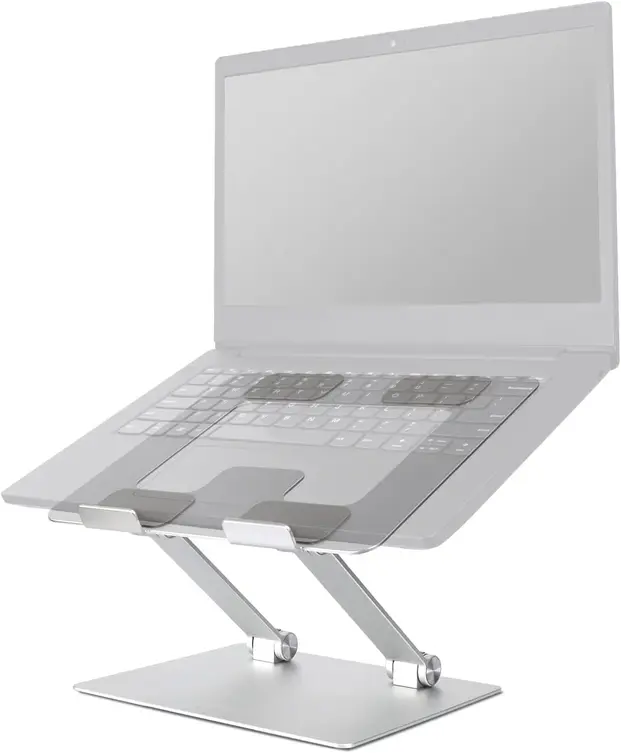
Raising the laptop screen can reduce the amount of time you spend leaning toward it.
External Keyboard and Mouse
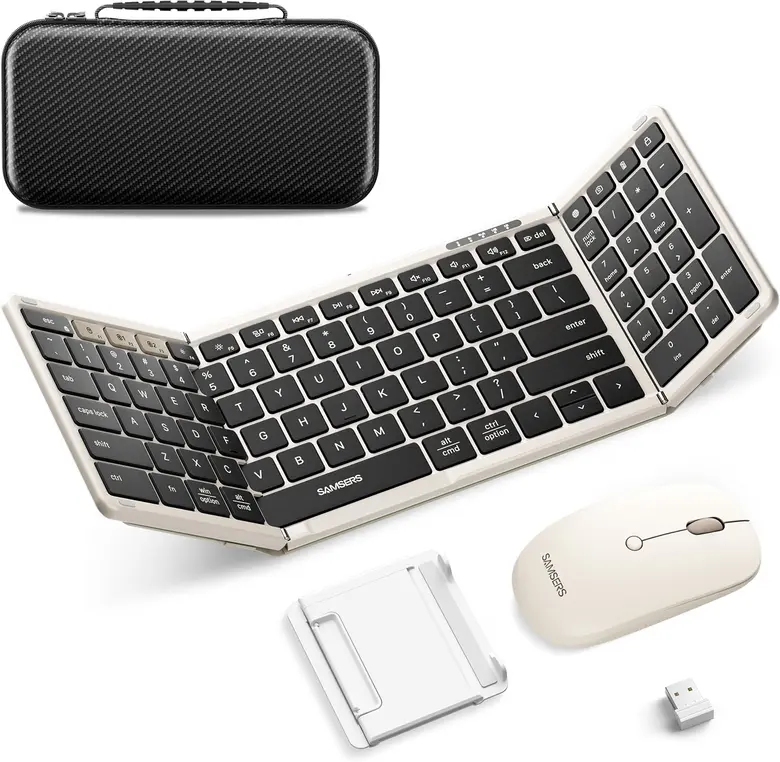
Once the screen is raised, a separate keyboard and mouse allow your hands to remain in a more comfortable position.
Lumbar Support
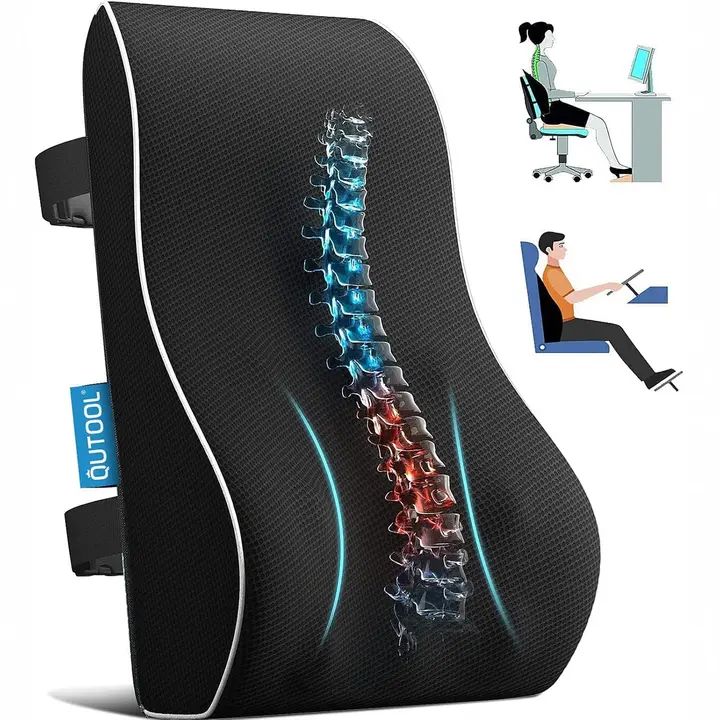
If you regularly work from apartments or coworking spaces with uncomfortable chairs, a small portable support can make longer sessions easier.
| Item | Main Purpose | Portability |
|---|---|---|
| Laptop stand | Raises the screen | High |
| Compact keyboard | Improves working position | High |
| Travel mouse | Reduces dependence on trackpad | High |
| Lumbar support | Adds back support | Medium |
| Headphones | Improves concentration | High |
A portable ergonomic setup is particularly useful for travelers who spend several hours a day working from laptops.
7. Choose Coworking Spaces Based on More Than WiFi
Fast internet is important.
So is the chair you will sit in for six hours.
When comparing coworking spaces, look beyond download speed and free coffee.
Useful features may include:
- Adjustable or standing desks
- Comfortable chairs
- Quiet work areas
- Natural light
- Showers
- Outdoor areas
- Yoga or wellness spaces
- Nearby food options
- Walking access from your accommodation
Some modern coworking spaces increasingly include facilities designed around comfort and wellness rather than work alone.
A trial day is often worth paying for before committing to a monthly membership.
You will quickly discover whether the atmosphere actually helps you concentrate.
8. Keep Food Simple When You Move Frequently
You do not need a perfect meal plan in every destination.
You need a strategy that works even when the kitchen has one pan, two plates, and a mysterious collection of utensils.
Focus on simple food that is easy to assemble.
Fresh fruit, vegetables, eggs, yogurt, grains, bread, beans, nuts, and other straightforward ingredients can make temporary kitchens much easier to manage.
A Practical Arrival Routine
After checking into a new place, locate a nearby supermarket or market early.
Buy enough basics for breakfast, snacks, and at least a few simple meals.
Doing this before you are tired and hungry makes it less likely that every meal will become an expensive delivery decision.
One pan meals can also keep preparation and cleaning manageable in basic kitchens.
9. Learn the Local Food Environment
A healthy travel lifestyle does not mean avoiding local food.
Food is one of the best parts of travel.
The better approach is balance.
Try the street food.
Visit local restaurants.
Order dishes you have never seen before.
Then balance those experiences with ordinary meals when you are working.
If every lunch and dinner becomes a restaurant event, travel can start feeling heavier and more expensive than expected.
Markets are especially useful.
They help you learn what people actually eat locally while giving you access to fresh ingredients for temporary accommodation.
10. Be Careful With Supplements
Travel does not automatically mean you need supplements.
Your nutritional needs depend on your normal diet, health, lifestyle, and individual circumstances.
If you are considering vitamins, minerals, or other supplements regularly, discuss them with an appropriate healthcare professional rather than assuming something is necessary because you travel frequently.
A supplement should not replace basic nutrition, sleep, movement, or medical care.
11. Use Wearables as Information, Not Orders
Wearable devices can make health patterns easier to notice.
The Oura Ring focuses heavily on sleep and recovery information.
The Apple Watch combines activity tracking with broader smartwatch features.
Whoop emphasizes training strain, recovery, and sleep data.
| Device Type | Useful For |
|---|---|
| Sleep focused wearable | Understanding sleep patterns |
| Smartwatch | Movement reminders and activity tracking |
| Performance tracker | Training and recovery trends |
The most useful question is not whether your score is perfect.
It is whether the information helps you recognize habits.
Perhaps you consistently sleep badly after late flights.
Maybe your activity drops dramatically during deadline weeks.
Maybe your routine improves when you stay in walkable neighborhoods.
Tracking can reveal patterns, but it does not need to control your day.
12. Join Local Fitness Communities
Staying active becomes much easier when exercise is also social.
Running clubs, yoga classes, climbing gyms, hiking groups, tennis sessions, and other local activities can give you both movement and human connection.
Platforms such as Meetup can help you discover groups, although many communities are also organized through local social media pages, gyms, cafés, coworking spaces, and messaging groups.
| Activity | Social Potential | Equipment |
|---|---|---|
| Running | High | Running shoes |
| Hiking | High | Suitable footwear |
| Yoga | Medium | Usually minimal |
| Tennis | Medium | Racket access |
| Pickleball | High | Paddle access |
| Climbing gym | High | Often rentable |
| Group fitness | High | Usually minimal |
This becomes especially useful when you stay somewhere for several weeks.
You stop feeling like someone simply passing through and start building a small routine around the city.
13. Protect the Boundary Between Work and Travel
One of the strangest problems with digital nomad life is that you can technically work almost anytime.
That does not mean you should.
When your hotel room is your office and your phone contains both work and travel plans, the workday can quietly spread across everything.
Set clear boundaries.
Choose a time when work ends.
Close the laptop.
Leave the accommodation.
Go for dinner.
Walk through the city.
Meet someone.
Do something that has no relationship to productivity.
You traveled for a reason.
Do not spend every evening looking at the destination through the window behind your laptop.
14. Recognize Burnout Before It Becomes Your Normal
Burnout does not always arrive dramatically.
Sometimes it looks like:
Constantly postponing exploration because you are tired
Moving to a beautiful place and feeling indifferent about it
Working longer while accomplishing less
Sleeping badly
Avoiding people
Feeling irritated by normal travel inconveniences
Losing interest in both work and travel
When that happens, the answer may not be another productivity system.
You may need more rest, fewer destination changes, clearer work boundaries, professional support, or simply a slower schedule.
Mental wellbeing is part of making the digital nomad lifestyle sustainable.
15. Travel More Slowly
Slower travel solves more digital nomad problems than it receives credit for.
- Every move creates invisible work.
- You have to research accommodation.
- Pack.
- Travel.
- Check in.
- Find groceries.
- Test the WiFi.
- Discover where to work.
- Learn transport.
- Rebuild your routine.
- Then you finally feel settled and it is time to leave again.
- Staying longer reduces that reset cycle.
- It gives you time to create habits.
- You can join a gym.
- Become familiar with your neighborhood.
- Meet people more than once.
- Cook regularly.
- Sleep better.
- Understand the city.
For anyone combining full time remote work with travel, spending more time in fewer places can make the lifestyle dramatically easier.
A Simple Weekly Digital Nomad Wellness Routine
| Habit | Suggested Rhythm |
|---|---|
| Walking | Daily |
| Strength or mobility work | Several times per week |
| Grocery shopping | Once or twice weekly |
| Social activity | At least once weekly |
| Screen free exploration | Several times weekly |
| Workspace check | Whenever you change accommodation |
| Personal rest time | Every week |
| Travel day recovery | After demanding journeys |
The exact schedule does not matter.
Consistency does.
Digital Nomad Wellness Essentials to Pack
You do not need much.
A practical wellness kit can remain small enough to fit into your normal luggage.
- Reusable water bottle
- Comfortable walking shoes
- Resistance band
- Lightweight exercise clothing
- Eye mask
- Earplugs
- Portable laptop stand
- Compact keyboard
- Travel mouse
- Small first aid basics
- Any personal medications you legitimately need
- Health insurance information stored somewhere accessible
The objective is to remove friction from habits you already want to maintain.
Final Thoughts
A healthy digital nomad lifestyle is built less around perfect routines and more around reliable anchors.
- Move your body.
- Eat reasonably well most of the time.
- Protect your sleep.
- Create a workspace that does not punish your posture.
- Spend time away from screens.
- Meet people.
- Rest when you need to.
And do not move so quickly that every week feels like an airport transfer.
The freedom of remote work becomes much more valuable when you have enough energy to actually enjoy it.
The best digital nomad routine is not the one that looks most disciplined online.
It is the one that allows you to keep working, traveling, exploring, and feeling like yourself months or years into the journey.
Frequently Asked Questions About Digital Nomad Wellness
How do digital nomads stay healthy while traveling?
The most effective approach is to build habits that work across different destinations. Walking, simple workouts, consistent sleep, basic meal planning, ergonomic work equipment, social activities, and regular rest can provide stability even when your location changes frequently.
How can I exercise while living as a digital nomad?
Combine several options instead of depending on one gym. Walking, resistance bands, local fitness classes, hotel workouts, running clubs, gyms, and outdoor activities can all fit into a flexible routine.
What should I look for in a digital nomad coworking space?
Look for reliable internet, comfortable seating, good desk height, quiet areas, natural light, standing desk options, and a location that is easy to reach from your accommodation.
How can digital nomads avoid burnout?
Reduce unnecessary travel frequency, set working hours, protect days off, maintain social contact, sleep consistently, and recognize when tiredness has become more than a temporary reaction to travel.
How do digital nomads eat healthy while traveling?
Buy simple groceries soon after arriving, prepare straightforward meals at your accommodation, use local markets, enjoy regional food in moderation, and avoid relying exclusively on restaurant meals and deliveries.
Are meditation apps useful for digital nomads?
They can be useful if guided sessions help you relax or create boundaries between work and rest. Apps such as Headspace, Calm, and Insight Timer provide different approaches to meditation and relaxation.
What ergonomic equipment is useful for remote workers who travel?
A portable laptop stand, compact external keyboard, mouse, and lightweight back support can make temporary workspaces more comfortable.
How can digital nomads meet people while staying active?
Join running groups, fitness classes, hiking communities, yoga sessions, climbing gyms, local sports clubs, and events organized through coworking spaces or community platforms.
Are fitness wearables necessary for digital nomads?
No. Devices such as Oura, Apple Watch, or Whoop can make patterns easier to notice, but they are optional. You can maintain a healthy routine without tracking every metric.
Is slow travel better for digital nomad health?
For many remote workers, yes. Staying longer in each destination reduces the amount of time spent packing, moving, adapting to new environments, and rebuilding routines. It also makes exercise, cooking, friendships, and consistent work habits easier to maintain.
More Digital Nomad Resources:
- Digital Nomads World
- Digital Nomads Observatory
- Digital Nomad in Morocco: explore our dedicated hub with Morocco recommendations, tutorials, connectivity tips, and remote work guides. Trending Morocco Digital Nomad Hub