


Planning the Best Time to Visit Morocco 2026 is one of the most important decisions a traveler can make before exploring this diverse North African destination.
Morocco’s climate is shaped by its extraordinary geography, stretching from the Atlantic Ocean to the Sahara Desert and from Mediterranean shores to the towering Atlas Mountains.
Because of this, weather conditions vary dramatically by region and season. In the north, the Mediterranean coast and cities like Tangier and Chefchaouen generally experience mild winters and hot, dry summers, with occasional rain in spring and autumn.
The southern regions and areas bordering the Sahara, such as Merzouga, have much hotter, drier climates, with particularly high temperatures from late spring through early autumn and dramatic diurnal temperature shifts. Along the Atlantic coast, including cities such as Casablanca, Rabat, and Essaouira, the climate remains temperate year-round, thanks to ocean breezes, making summers comfortable and winters mild.
In the mountains, weather can be unpredictable: winters can bring snow and freezing temperatures in the High Atlas, while spring and autumn offer fresh, cool air. Understanding these regional differences will help you select the best times and places to visit based on your interests and desired activities.
In spring, Marrakech offers warm sunshine and blooming gardens, but midsummer brings intense heat. Coastal towns like Essaouira enjoy cooling Atlantic winds, while desert areas near Merzouga experience significant temperature swings between day and night.
Understanding Morocco’s seasons is key to crafting a rewarding trip. Spring and autumn deliver the most balanced weather; summer favors coastal escapes, while winter offers quieter journeys amid snow-covered peaks.
To help travelers plan effectively, this guide explores 12 essential travel insights about the Best Time to Visit Morocco 2026, covering climate patterns, seasonal advantages, and the ideal months for different experiences across the country.
1. Best Time to Visit Morocco 2026 for Comfortable Weather
The Best Time to visit Morocco in 2026 for comfortable weather is widely considered to be spring (March to May) and autumn (September to November). During these periods, Morocco enjoys a rare climatic equilibrium temperatures are warm but not oppressive, skies are generally clear, and most regions of the country are accessible without the extremes of summer heat or winter cold.
In spring, the landscape undergoes a quiet transformation. Winter rains nourish the countryside, and valleys across the Atlas Mountains burst into shades of green dotted with wildflowers. Daytime temperatures typically range between 20°C and 28°C, creating ideal conditions for exploring historic medinas, hiking scenic trails, or wandering through traditional markets.
Cities such as Marrakech and Fes feel lively and pleasant during this season, with sunshine that encourages long days of discovery.
For easy packing, remember these Moroccan spring essentials:
- Comfortable walking shoes
- Lightweight layers for changing temperatures
- A light jacket or sweater for cool evenings
- Sun protection: hat, sunglasses, and sunscreen
This simple checklist will help you stay comfortable and prepared for the variety of outdoor experiences in Morocco throughout the day.
Autumn brings similar benefits as spring.
After summer’s intensity, temperatures ease nationwide. Desert areas like Merzouga and the Sahara become comfortable for camel treks and camps, while coastal spots such as Essaouira enjoy gentle Atlantic breezes and warm afternoons.
Another advantage of visiting during these seasons is travel flexibility. Because the climate remains balanced across most regions, travelers can comfortably combine multiple experiences in a single itinerary.
A journey might include exploring imperial cities, trekking in the mountains, relaxing on the coast, and spending a night beneath the desert stars all without encountering extreme temperatures.
These conditions make spring and autumn the most reliable seasons for experiencing Morocco at its most diverse. The weather encourages exploration, photography, and cultural immersion, allowing visitors to travel through the country at a relaxed, enjoyable pace.
2. Exploring Imperial Cities
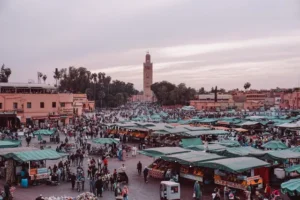
Exploring Morocco’s imperial cities is an immersive journey through history. Each street reveals layers of dynastic legacies, artisan traditions, and the enduring character of these storied places. For those considering the Best Time to Visit Morocco 2026, these cities deliver some of the country’s most compelling experiences.
In Marrakech, the rhythm of the city unfolds in vibrant layers spice-filled souks, hidden riads, and the ever-bustling square of Jemaa el-Fna (UNESCO).
A short journey away, the ancient medina of Fes reveals a mesmerizing maze of narrow streets where craftsmen still shape leather, metal, and ceramics using centuries-old techniques.
Rabat reveals a calmer imperial presence with elegant boulevards, historic kasbahs, and a softened regal character by the ocean. Each city shares a distinct chapter of Morocco’s story.
3. The Sahara Desert
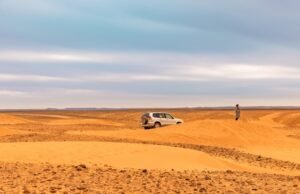
During this period, daytime temperatures are warm but manageable, making camel trekking and desert excursions comfortable. Nights can be chilly, and regions around Merzouga and the Sahara offer spectacular sunsets and excellent stargazing.
To stay comfortable and safe, visitors should pack layers of clothing, including a warm jacket, hat, and scarf for the evenings and early mornings, as well as sun protection and light, breathable fabrics for daytime adventures.
In addition, it is vital to bring enough water to stay hydrated in the dry desert climate, as dehydration can occur quickly.
Carry a reusable water bottle and drink water frequently, even if you don’t feel thirsty. Protecting yourself from sand is also important: bring a lightweight scarf or buff to cover your nose and mouth during windy conditions, and consider wearing sunglasses to shield your eyes from dust.
Finally, it is highly recommended to use a reputable local guide when exploring the desert. Local guides know the landscape, can provide valuable safety information, and help you navigate the unique challenges of desert travel, ensuring a secure and memorable adventure.
Regions around Merzouga and the vast Sahara Desert offer spectacular sunsets, cooler evenings, and excellent stargazing conditions.
4. Coastal Travel
Morocco’s coastline shifts the pace. The Atlantic horizon dominates, and seaside towns are slowly shaped by steady breezes and salt in the air. For the Best Time to Visit Morocco 2026, coastal travel offers a compelling change from inland experiences.
During the summer months, especially, Morocco’s coastal destinations become small sanctuaries of cool air and relaxed charm.
The Atlantic breeze drifts through the narrow streets of Essaouira, softening the sun’s intensity and creating a climate that feels surprisingly comfortable even at the height of the season.
Fishing boats sway gently in the harbor, gulls circle overhead, and the medina hums with artisans crafting woodwork and textiles.
Further south, Agadir stretches along a long crescent of golden sand. The promenade fills with evening strollers as the sun begins its slow descent.
Meanwhile, surfers gather in the laid-back village of Taghazout, where the Atlantic waves have created one of the most celebrated surf scenes in North Africa.
For travelers considering the Best Time to visit Morocco in 2026, the coastline offers more than a destination. The ocean breeze, warm sunsets, and rhythmic wave sounds create a peaceful escape.
5. For Surfing

For surf enthusiasts, the Best Time to visit Morocco in 2026 for surfing is typically October through March.
During these months, Atlantic swells are stronger and more consistent. Taghazout attracts surfers worldwide with its reliable waves and relaxed atmosphere.
6. Hiking the Atlas Mountains
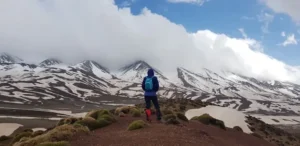
For hiking in the Atlas Mountains, the best time is from April to October.
During spring, valleys become lush and green, while autumn offers crisp air and spectacular mountain views. Trekking routes near Imlil provide access to scenic landscapes and traditional Berber villages scattered throughout the Atlas Mountains.
7. Climbing Mount Toubkal
For adventure travelers, the Best Time to visit Morocco in 2026 for climbing Mount Toubkal depends on the type of experience desired.
Mount Toubkal, the highest peak in North Africa, can be climbed year-round. Spring and autumn offer the most stable weather conditions, while winter climbs provide a more technical mountaineering challenge with snow-covered trails.
8. Cultural Festivals
The Best Time to Visit Morocco 2026 for cultural festivals is generally between spring and early summer, when many of the country’s most vibrant celebrations take place.
These events transform cities and villages into lively cultural stages filled with music, traditional clothing, local cuisine, and centuries-old rituals.
These events transform cities and villages into lively cultural stages filled with music, traditional clothing, local cuisine, and centuries-old rituals.
Because festivals draw large crowds and accommodations can fill quickly, it is highly recommended that travelers book their lodgings and any festival tickets well in advance.
For major festivals such as the Fes Festival of World Sacred Music, the Kalaat M’Gouna Rose Festival, and the Marrakech International Film Festival, it is best to book accommodations and tickets at least three to six months ahead of your visit.
Early booking ensures access to the best hotels, riads, and experiences, and helps to avoid disappointment during these popular periods.
Morocco’s festivals reflect the diversity of its heritage Arab, Amazigh, Andalusian, and African influences intertwine through art, spirituality, and community gatherings.
Travelers visiting during festival seasons gain a deeper appreciation of Moroccan culture beyond monuments and landscapes.
One of the most iconic celebrations is the Kalaat M’Gouna Rose Festival (Festival des Roses), held each May in the fragrant valley of Kelaat M’Gouna near the Dades Valley.
This festival celebrates the annual harvest of Damask roses, which are used to produce perfumes, cosmetics, and rose water. During the event, the town comes alive with parades, traditional Amazigh music, dancing, and markets selling rose-based products. The surrounding valley becomes especially picturesque as rose fields bloom across the landscape.
Another must-see cultural event is the Fes Festival of World Sacred Music, hosted in the historic city of Fes.
This internationally renowned gathering brings together musicians and spiritual performers from around the world, creating an atmosphere that blends artistic expression with cultural dialogue.
For film enthusiasts, the Marrakech International Film Festival (Festival des Films de Marrakech), held every December, is a world-class cinematic showcase. Held in Marrakech, the festival attracts global filmmakers, actors, and critics,
and features red-carpet premieres, masterclasses, and awards ceremonies.
It’s a perfect time to witness Morocco’s glamorous side while immersing in contemporary arts.
Other notable festivals include:
Essaouira Gnaoua and World Music Festival (official website)
A summer festival celebrating the hypnotic rhythms of Gnaoua music along with international acts.
A summer festival celebrating the hypnotic rhythms of Gnaoua music along with international acts.
Imilchil Marriage Festival
A unique cultural event in the High Atlas Mountains, where Amazigh tribes gather for traditional matchmaking ceremonies.
Mawazine Music Festival in Rabat
One of the largest music festivals in Africa, blending international and Moroccan artists across diverse genres.
A unique cultural event in the High Atlas Mountains, where Amazigh tribes gather for traditional matchmaking ceremonies.
Mawazine Music Festival in Rabat
One of the largest music festivals in Africa, blending international and Moroccan artists across diverse genres.
Planning a trip around these festivals lets travelers experience Morocco at its most vibrant. Streets fill with color, music resounds through historic squares, and communities welcome visitors into multi-generational celebrations.
Whether seeking music, film, roses, or traditions, festival season showcases Morocco’s energy beyond the guidebooks.
9. Budget Travel
Travelers seeking affordability should consider the Best Time to Visit Morocco 2026 for budget travel, which often falls during late winter and early summer.
Between January and February, fewer tourists visit Morocco, resulting in lower hotel prices and discounted flights. Cities such as Casablanca and Rabat remain lively while offering better travel deals.
10. Travel Photography
For photographers, the Best Time to visit Morocco in 2026 for photography is spring or autumn.
Golden desert light, colorful medinas, and vibrant mountain landscapes create extraordinary photographic opportunities in places like Chefchaouen and Essaouira.
Soft lighting conditions during these seasons enhance colors and textures throughout Morocco’s diverse landscapes.
11. Best Time to Visit Morocco 2026 for Fewer Crowds
The Best Time to visit Morocco in 2026 for fewer crowds is typically during the winter off-peak season.
(December to February) and the early shoulder months of March and November.
(December to February) and the early shoulder months of March and November.
During these periods, Morocco sees a noticeable drop in tourist traffic, allowing visitors to explore popular destinations with greater ease and intimacy.
Historic medinas in Fes, Marrakech, and Essaouira are less congested, letting travelers wander through narrow streets, shop in souks, and visit monuments without the stress of large tour groups.
Similarly, iconic sites like the Kasbahs, ancient palaces, and desert entry points near Merzouga can be enjoyed at a slower pace, ideal for photography or contemplative exploration.
Visiting during these quieter months also offers practical advantages:
Lower accommodation costs: Hotels, riads, and desert camps often provide discounts or flexible booking options.
Easier transportation: Trains, buses, and shared taxis are less crowded, making intercity travel more comfortable.
Lower accommodation costs: Hotels, riads, and desert camps often provide discounts or flexible booking options.
Easier transportation: Trains, buses, and shared taxis are less crowded, making intercity travel more comfortable.
Authentic cultural interactions: With fewer tourists, interactions with locals—whether in markets, cafes, or villages—feel more genuine and relaxed.
While winter temperatures can be coolerespecially in the Atlas Mountains or at night in the desert the fewer crowds make this a perfect time for travelers who prioritize tranquility, photography, and immersive cultural experiences. For those looking to enjoy Morocco without the bustle, planning around these months is an excellent strategy.
12. Balanced Itinerary
Ultimately, the Best Time to visit morocco 2026 is April, May, September, or October.
These months offer the best combination of pleasant weather, accessible landscapes, and manageable tourist crowds.
Travelers can comfortably visit imperial cities, explore the Sahara, hike in the mountains, and relax along the coast during the same trip.
Final Thoughts
Choosing the Best Time to Visit Morocco 2026 depends largely on the experiences you want to prioritize. Spring and autumn deliver the most comfortable weather overall, while summer favors coastal escapes and winter offers peaceful cultural exploration.
Travelers should also keep in mind the timing of Ramadan, which is expected to take place from the evening of February 17 to March 19 in 2026.
During Ramadan, many restaurants and cafes may have limited hours or close during the day, and the opening hours of attractions and shops can change.
Visiting during this period offers a unique cultural insight, as cities come alive each evening with families and communities gathering to break the fast.
However, flexibility and understanding are important as some services may be affected.
If you plan to visit Morocco during Ramadan, consider these strategies for a smooth and respectful experience:
- – Adjust your meal schedule: Plan for a late breakfast or brunch and have snacks on hand, as many restaurants and cafes will be closed during daylight hours but reopen after sunset. Some hotels may continue serving meals to non-fasting guests.
- – Stock up during the day: Visit bakeries or supermarkets before midday to purchase food and drinks for the afternoon, and carry water with you, especially if you are exploring or traveling between cities.
- – Be mindful of local customs: Avoid eating, drinking, or smoking in public between sunrise and sunset out of respect for those observing the fast. When in public spaces, try to be discreet when consuming anything.
- – Embrace the cultural experience: Each evening, communities gather for iftar, the meal that breaks the fast at sunset. Many restaurants offer special iftar menus, and you may have the chance to join local families or events if invited.
- – Check schedules ahead: Confirm the opening times for attractions, transportation, and businesses, as some may close earlier or operate reduced hours during Ramadan.
- – Allow extra time and patience: City life slows down in the afternoons, and traffic can increase just before sunset as people prepare to break their fast. Building flexibility into your itinerary will help you enjoy the experience without stress.
Traveling during Ramadan offers a special window into Morocco’s traditions and community spirit, allowing deeper engagement with local culture while enjoying the country’s highlights.
Morocco’s unique geography means that every season reveals a different dimension of the country from snow-covered peaks in the Atlas Mountains to glowing sunsets over the Sahara Desert.
With thoughtful timing, travelers can design an itinerary that captures the full richness of Morocco’s landscapes, cities, and traditions—turning a simple trip into an extraordinary journey.