






Morocco’s Atlantic coastline stretches for more than 2,000 kilometres, offering an impressive mix of surf breaks, windswept beaches, sandstone formations, fishing villages, cliffs, dunes, and coastal lagoons. For travellers who want more than a quiet day beside the sea, this coast provides countless opportunities for surfing, kitesurfing, windsurfing, hiking, and travel photography.
This guide to the best beaches for adventure in Morocco 2026 covers eight destinations where outdoor activities meet memorable scenery: Taghazout, Legzira Beach, Essaouira, Dakhla, Mirleft, Imsouane, Agadir, and Sidi Kaouki. You will also find practical photography advice, suggested equipment, ideal shooting conditions, and responsible travel tips to help you plan your coastal journey in 2026.
Whether you want to photograph surfers at sunset, explore an isolated cove, or capture the meeting point between desert and ocean, these destinations reveal a wild and visually striking side of Morocco.
I) Essential Photography Equipment for the Best Beaches for Adventure in Morocco 2026
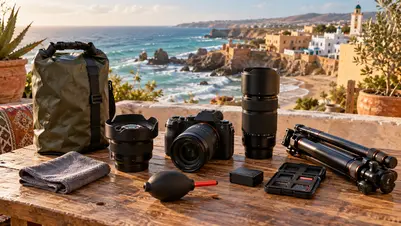
Morocco’s Atlantic shore can be demanding on photography equipment. Wind carries fine sand, while waves and sea spray expose cameras and lenses to moisture and salt. A compact but carefully protected kit will help you work comfortably without carrying unnecessary weight.
Camera and lens recommendations
A weather-sealed camera body is useful in exposed coastal environments. Weather sealing does not make a camera waterproof, but it can provide additional protection against moisture and airborne sand when combined with sensible handling.
A wide-angle lens is the most versatile option for cliffs, beaches, arches, dunes, and expansive ocean views. A telephoto zoom is better for surfers, kitesurfers, fishing boats, and distant details that cannot be approached safely.
| Gear category | Recommended specification | Main benefit |
| Camera body | Weather-sealed body | Added protection from sand and moisture |
| Wide-angle lens | 16–35mm f/2.8 | Captures broad landscapes and dramatic foregrounds |
| Telephoto lens | 70–200mm f/2.8 | Isolates surfers, wildlife, and distant details |
| Accessories | UV filters, dry bags, and cleaning tools | Helps protect lenses and equipment |
Protective accessories to pack
Bring a dry bag or weather-resistant camera cover, extra batteries, memory cards, lens cloths, and a basic cleaning kit. Avoid changing lenses in strong wind whenever possible because fine sand can enter the camera body.
A stable tripod can support sunset and long-exposure photography, although it must be placed securely in windy conditions. After shooting near the water, wipe salt spray from your equipment before storing it.
II) Taghazout: Surf Culture and Atlantic Sunsets
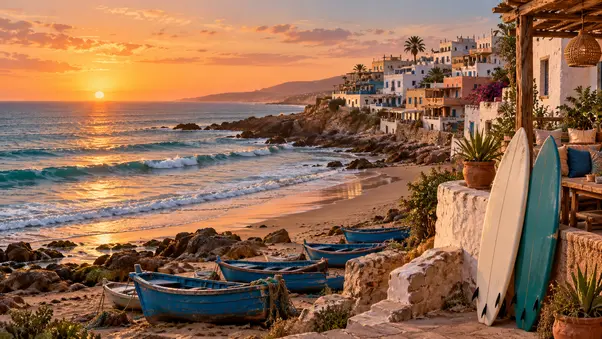
Taghazout is one of Morocco’s best-known surf destinations. The village combines fishing traditions, colourful boats, a relaxed atmosphere, and easy access to several coastal viewpoints. This mix gives photographers the chance to document landscapes, surf action, and everyday village life within the same visit.
The area works particularly well for travellers who want to alternate between time in the water and time behind the camera. Wide views can establish the scale of the coast, while closer compositions can focus on boats, boards, rock textures, and the movement of the waves.
Photographing Anchor Point at sunset
Anchor Point is known for powerful Atlantic surf and rocky viewpoints. During golden hour, the lower sun adds warmth to the rocks and creates stronger separation between the waves, shoreline, and sky.
Use a wide-angle lens if you want to include the surrounding landscape and setting sun. A telephoto lens can compress the scene and help isolate surfers or breaking waves from a safe distance.
Always consult a reliable tide forecast before walking onto exposed rocks. Wet surfaces can be slippery, and a rising tide can quickly change access conditions. Choose a secure viewpoint rather than moving closer simply to improve the frame.
Capturing Taghazout’s village character
The village is not only a surf location. Fishing boats, narrow streets, waterfront buildings, and daily activity can add cultural context to a coastal photo story. Early morning often provides a calmer atmosphere, while late afternoon produces warmer light and more activity around the beach.
If you photograph local people, ask for permission first. A respectful conversation can lead to more natural photographs and a better experience for everyone involved.
III) Legzira Beach: Red Rock Formations and Coastal Walks
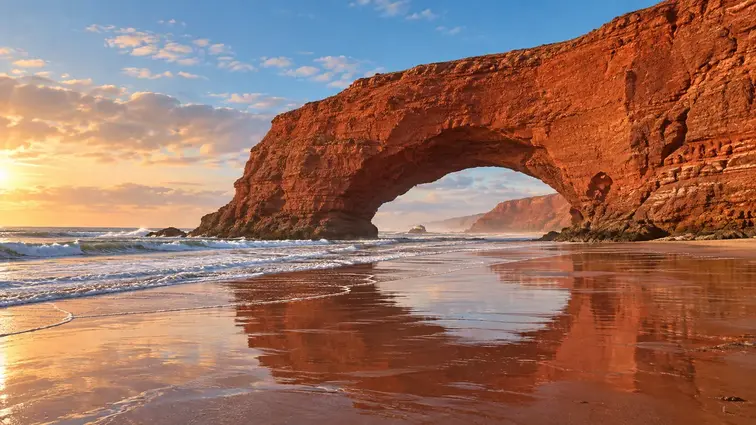
Featured in our guide to the Best Beaches for Adventure in Morocco 2026, Legzira Beach is recognised for its red sandstone formations and dramatic meeting of cliffs and ocean. The warm colour of the rock creates a distinctive contrast with the Atlantic, especially near sunset.
The beach appeals to photographers, walkers, and travellers interested in unusual coastal geology. However, access near the rock formations depends heavily on the tide, and the cliffs require caution.
Walking near the sea arch safely
Plan the visit around low tide and leave enough time to return before the water rises. The raw article recommends arriving around two hours before low tide, which provides time to assess the route and explore without rushing.
Keep these precautions in mind:
- Check the tide forecast before leaving.
- Wear sturdy shoes suitable for wet or uneven ground.
- Stay away from the base of unstable cliffs because rocks can fall.
- Store cameras and electronics in a waterproof or weather-resistant bag.
- Never turn your back on incoming waves while working close to the water.
Best light for photographing Legzira
Sunset is the most striking time for warm colour. As the light becomes lower, it brings out the texture of the sandstone and can turn the rock into a natural frame for the sea or sky.
| Time of day | Light conditions | Best photographic use |
| Early morning | Soft, diffused light | Wide coastal landscapes |
| Midday | Bright, high-contrast light | Close details and rock textures |
| Golden hour | Warm, directional light | Silhouettes, arches, and layered compositions |
The best light is not useful if the tide makes the route unsafe. Treat tide times as the main planning factor, then choose the strongest available light within that safe period.
IV) Essaouira: Windsurfing and Historic Architecture
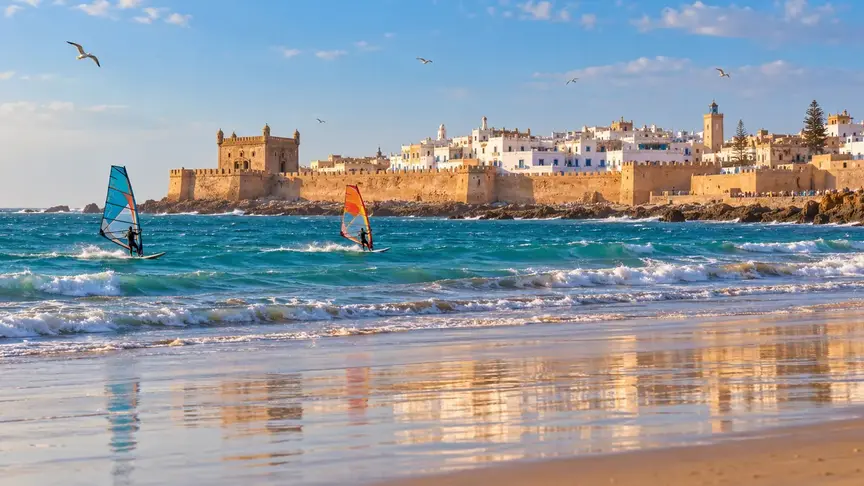
Essaouira brings together historic ramparts, a working harbour, blue fishing boats, and an exposed, windy beach. It is one of the most varied coastal destinations in Morocco because culture, architecture, and outdoor activity are concentrated within a relatively compact area.
Photographers can begin with harbour and street scenes before moving toward the waterfront. Travellers seeking adventure can then make use of the conditions associated with windsurfing and kitesurfing.
Blue boats and fortified walls
The harbour’s blue fishing boats stand out against the muted stone and earth tones of the surrounding walls. Morning light is well suited to photographing the port, boats, ropes, and working details before the stronger afternoon conditions develop.
The Skala de la Ville offers views of the fortifications and Atlantic. During golden hour, side lighting reveals the texture of the stone and gives the walls greater depth. Look for compositions that connect architectural details with the sea rather than treating them as separate subjects.
Adventure activities beyond photography
Essaouira’s strong coastal wind supports windsurfing and kitesurfing. Conditions can vary, so beginners should work with qualified local operators and choose activities suited to their ability.
| Subject or activity | Suggested time | Main advantage |
| Architecture | Early morning | Softer light on stone walls |
| Harbour and boats | Morning | Clear colour and working-port activity |
| Windsurfing | Afternoon | Typically stronger, steadier wind |
This balance makes Essaouira a strong choice for travellers who want history, street photography, water sports, and beach scenery in one destination.
V) Dakhla: Where Desert and Ocean Meet
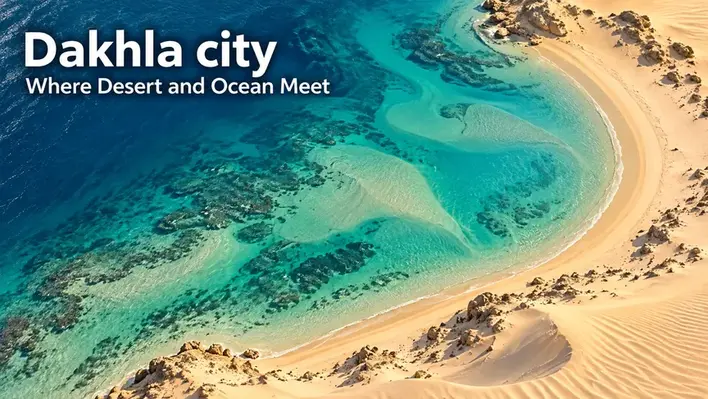
Dakhla offers one of Morocco’s most distinctive coastal landscapes. Desert terrain meets blue Atlantic water, while the lagoon provides a broad setting for kitesurfing and action photography.
The visual contrast between sand, water, and open sky is the destination’s defining feature. Photographers can create minimalist landscape images, document fast-moving riders, or explore rock formations and patterns in the surrounding desert.
Photographing kitesurfers on the lagoon
Use a fast shutter speed to freeze movement when riders jump or change direction. Continuous autofocus and burst mode can improve the chance of capturing the strongest moment. Leave enough space in the frame to show the rider’s direction of movement and the scale of the lagoon.
A telephoto lens helps you photograph the action without entering the riders’ path. Salt spray and desert sand are both concerns here, so keep unused equipment covered and clean the exterior of the camera after the session.
Finding quieter desert photography locations
The lagoon is Dakhla’s most familiar subject, but the nearby desert offers quieter compositions. Look for changing lines in the dunes, isolated rock formations, and the transition between sand and horizon.
Light direction matters more than the number of subjects in the frame. Early and late light creates shadows that reveal the shape of dunes and textured ground. Avoid driving or walking into unfamiliar remote terrain without suitable local knowledge, reliable transport, and basic preparation.
VI) Mirleft: Wild Cliffs and Secluded Coves
Mirleft is a quieter coastal destination known for cliffs, coves, broad beaches, and a less-developed atmosphere. It suits travellers who prefer natural scenery and slower exploration over a busy resort experience.
The rugged shoreline offers a strong sense of scale. Wide-angle compositions can connect the cliff edge, beach, and horizon, while a longer lens can isolate waves, rock formations, and distant figures.
Exploring the coastline responsibly
Unpaved routes and exposed viewpoints require care. Do not stand close to cliff edges, especially where the ground is loose or visibility is poor. Choose established paths and secure viewpoints, and avoid exploring unfamiliar coves when the tide is rising.
Walking along accessible parts of the coast may reveal quiet beaches and natural rock formations. These less-crowded areas can create a sense of discovery, but they should be photographed without disturbing vegetation, wildlife, or local activity.
Creating stronger cliff photographs
Use foreground rocks or natural openings to frame the sea. Side lighting can highlight ridges and shadows, while a person placed at a safe distance can provide a sense of scale.
A wide-angle lens makes the cliffs feel expansive, but careful framing is important. Keep the horizon level and avoid allowing empty sky to dominate unless weather or colour is central to the photograph.
VII) Imsouane: Long Waves and Fishing-Village Life
Imsouane sits between the Atlantic and a rocky coastline. It is known for long waves, a fishing community, and a calmer village atmosphere than larger beach destinations.
This is a rewarding stop for travellers who want to combine surf photography with documentary images. The coast provides the action, while the harbour and village add a human story.
Photographing Cathedral Point
Cathedral Point offers a broad view of the surf break and surrounding coast. A wide-angle lens can establish the full setting, while a telephoto lens is useful for following individual surfers.
Patience is essential because the strongest photograph may depend on the position of a surfer, the shape of a wave, and the light lining up at the same moment. At lower tide, exposed rock formations may add useful foreground detail, provided they can be reached safely.
Documenting local fishing culture
Morning is a useful time to observe boats returning and activity developing around the harbour. Rather than photographing only wide views, pay attention to hands, ropes, equipment, painted boats, and other details that help explain the working character of the village.
Ask before taking identifiable portraits or closely documenting someone’s work. Respectful interaction produces a more honest visual story than treating the harbour as a staged attraction.
VIII) Agadir: Accessible Adventure and Golden Sand
Agadir combines a long beach, modern visitor facilities, water activities, and elevated views over the bay. It is an accessible option for travellers who want coastal adventure without giving up the conveniences of a larger city.
Its urban waterfront also creates different photographic possibilities from the smaller villages in this guide. You can move between panoramic landscapes, beach activity, modern architecture, and evening city lights.
Panoramic views from the Kasbah
The Kasbah area overlooks the city, bay, and beach. Late-afternoon light and sunset can produce a layered scene in which the coastline leads toward the city.
Arrive with enough time to choose a safe viewpoint before the light changes. A wide-angle lens will capture the complete panorama, while a moderate telephoto can isolate curves in the coastline or compress city and sea into a tighter composition.
Photographing beach activities
The beach offers opportunities to photograph surfing and other water activities. Use a fast shutter speed for sharp action images and continuous autofocus when following a moving subject.
The raw article identifies these general activity periods and levels:
| Activity | Suggested time | Listed level |
| Jet skiing | Around 10:00 a.m. | Beginner |
| Parasailing | Afternoon | Intermediate |
| Surfing | Early morning | Intermediate |
Availability, conditions, and suitability can change. Confirm current details with a reputable local operator and follow their safety guidance before participating.
IX) Sidi Kaouki: A Windy and Wild Coastal Escape
Sidi Kaouki offers open beaches, dunes, dark rocks, and strong Atlantic wind. Its uncluttered landscape works well for travellers who prefer natural scenery and spacious compositions.
Wind shapes both the experience and the photographs. Blowing sand, moving water, and changing cloud can make the scene feel dynamic, but those same conditions demand careful equipment protection.
Capturing wind and movement
A fast shutter speed can freeze sand moving across the beach, while a slower exposure can soften the water and suggest motion. Use a stable tripod for longer exposures, keep it low when appropriate, and make sure it cannot fall in a sudden gust.
High-contrast compositions can work particularly well here. Dark rocks stand out against white sea foam, while low sunlight reveals patterns in sand and dunes.
| Subject | Best light | Suggested approach |
| Dune textures | Morning | Use side light and a moderate aperture such as f/8 |
| Ocean movement | Late afternoon | Experiment with longer exposures from a safe position |
| Wide coastal landscape | Golden hour | Use a wide-angle lens and a clear foreground |
Sidi Kaouki’s strength is its simplicity. Instead of filling the frame with objects, use negative space to communicate the scale and exposed character of the coast.
X) How to Plan a Moroccan Coastal Adventure in 2026
The best beaches for adventure in Morocco are spread across a long coastline, and several are outside major urban centres. Good planning will help you spend more time exploring and less time solving transport or equipment problems.
Check access, weather, tides, and light
Research how you will reach each destination before travelling. Reliable transportation is particularly important when visiting remote areas around Dakhla, Mirleft, or isolated sections of the coast.
Check tide forecasts before visiting arches, coves, rock platforms, or beaches bordered by cliffs. Weather and wind conditions also influence surf sessions, water activities, drone use, and the amount of protection your camera will need.
Travel with a lighter, safer kit
Carry only the equipment you expect to use. A camera body, one or two lenses, spare batteries, memory cards, cleaning supplies, and a protective bag are enough for many coastal assignments.
Keep valuables secure and avoid placing a camera bag where water can reach it. Back up photographs regularly, especially during a journey covering several destinations.
Respect people and the environment
Ask permission before photographing fishermen, residents, or workers at close range. Some people may not want to be photographed, and that choice should always be respected.
Take all rubbish with you, avoid damaging dunes or vegetation, and do not move natural objects simply to improve a composition. Following marked or established routes also helps reduce erosion and protects fragile areas.
Conclusion
The best beaches for adventure in Morocco offer far more than sand and sea. Taghazout and Imsouane bring surf culture into the frame, Legzira and Mirleft reveal dramatic rock formations, Essaouira combines heritage with wind sports, Dakhla joins desert and lagoon, Agadir offers accessible coastal activities, and Sidi Kaouki provides open, windswept scenery.
Choose two or three destinations that match your interests, then build your route around safe transport, tide times, weather, and available light. Pack a protected photography kit, leave room for changing conditions, and approach local communities and landscapes with respect. With that preparation, Morocco’s Atlantic coast can become both an exciting journey and a varied photographic story.
More resources: visit marrakech / visit morocco